Akamu (Pap)
Drinks • Nigeria
About Akamu (Pap)
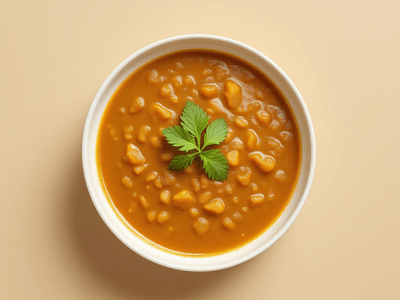
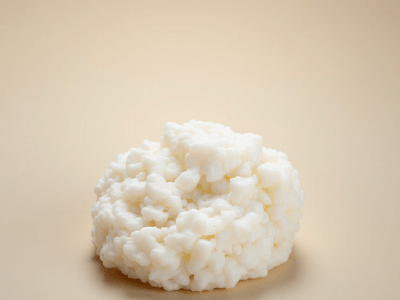
Smooth fermented corn porridge — a soft Nigerian breakfast paired with akara, moi moi, or bread.
How to Make Akamu (Pap) (Traditional & Healthy Version)
Akamu, also known as Pap, is a beloved West African fermented cereal pudding that has nourished generations across the region. Originating from Nigeria and widely enjoyed in Ghana and Cameroon, this vegan and vegetarian-friendly beverage is made from fermented maize (corn), sorghum, or millet. Akamu is cherished for its smooth, creamy texture and subtly tangy flavor, often served warm as a comforting breakfast or light meal. It is a staple in many African homes, particularly among the Igbo, Yoruba, and Hausa communities, who have perfected the art of fermentation over centuries. What makes Akamu special is not just its taste but its deep cultural roots. It is traditionally prepared and served during family gatherings, naming ceremonies, and even as a gentle food for weaning babies. Its easy digestibility and nourishing qualities make Akamu a top choice for all ages. For health-conscious eaters, Akamu offers a naturally gluten-free, low-fat option packed with complex carbohydrates and beneficial probiotics thanks to the fermentation process. This classic African beverage is both satisfying and wholesome, making it a wonderful fit for modern calorie-conscious diets and international palates alike.
Ingredients(for 1 large mug (about 250ml))
- 1 cup Fermented corn (maize) paste (Ogi or Akamu base)
- 2 cups Water (For mixing and cooking)
- 1/2 tsp Ginger (Freshly grated (optional, for flavor)) - optional
- 1/4 tsp Cloves (Ground (optional)) - optional
- 1-2 tsp Sugar (Or natural sweetener, to taste) - optional
- a pinch Salt (To balance flavor) - optional
- 1/2 cup Soy milk or plant-based milk (Optional for creaminess) - optional
- 1 tbsp Groundnut (peanut) powder (Optional, for protein boost) - optional
- 1 tbsp Coconut flakes (Optional topping) - optional
Instructions
- 1
In a clean bowl, add the fermented corn paste (Akamu) and gradually mix with 1 cup of cool water. Stir continuously to dissolve any lumps until a smooth, runny consistency is achieved.
5 minutes
Use a wooden spoon for better mixing and ensure the paste is lump-free for a silky texture.
- 2
Boil 1 cup of water in a kettle or saucepan until it reaches a rolling boil.
5 minutes
Make sure the water is hot enough to cook the Akamu instantly when poured.
- 3
Slowly pour the hot water into the dissolved Akamu mixture while stirring vigorously and continuously. The mixture will thicken and turn creamy almost instantly.
3 minutes
Pour water in a thin stream and stir quickly to avoid lumps.
- 4
Add ginger, cloves, and a pinch of salt. Stir well to incorporate the spices and enhance flavor.
2 minutes
Spices are optional but add a traditional touch and extra nutrition.
Why This Dish is Healthy
This Akamu recipe uses minimal added sugar and leverages the health benefits of fermentation, making it gentle on digestion and ideal for calorie-conscious eaters. It's plant-based, naturally low in saturated fat, and free from artificial additives or preservatives. The use of whole grains and optional protein-rich toppings make it a wholesome, nutrient-dense choice for breakfast or a light meal.
Akamu (Pap) is naturally gluten-free, low in fat, and rich in complex carbohydrates, making it a great source of sustained energy. The fermentation process increases the bioavailability of essential nutrients like B vitamins, folate, magnesium, and potassium, while supporting gut health with beneficial probiotics. When prepared with added plant-based milk and groundnut powder, Akamu offers a balanced profile of protein, healthy fats, and fiber, further enhancing its nutritional value.
Pro Tips
- 💡Tip 1: Always use freshly boiled water to achieve a perfectly smooth, lump-free Akamu.
- 💡Tip 2: Ferment your own corn paste at home for maximum probiotic benefits and authentic flavor.
- 💡Tip 3: Adjust the thickness by varying the amount of water to suit your preferred consistency.
Storage & Serving
Uncooked Akamu paste can be stored in an airtight container in the refrigerator for up to one week. Once prepared, Akamu is best consumed fresh, but leftovers can be kept refrigerated for up to 24 hours and gently reheated with a splash of water.
Best served: Breakfast or Lunch
Nutrition Facts
| Nutrient | Per 100g |
|---|---|
| Energy | 65.0 kcal |
| Protein | 1.4 g |
| Carbohydrates | 14.0 g |
| Total Fat | 0.4 g |
| Fiber | 0.8 g |
| Sugars | 0.6 g |
| Sodium | 2.0 mg |
| Potassium | 18.0 mg |
| Cholesterol | 0.0 mg |
| Vitamin A | 0.0 IU |
| Vitamin C | 0.0 mg |
| Calcium | 2.0 mg |
| Iron | 0.2 mg |
| Magnesium | 3.0 mg |
| Zinc | 0.1 mg |
| Phosphorus | 6.0 mg |
| Vitamin D | 0.0 IU |
| Vitamin B1 (Thiamine) | 0.0 mg |
| Vitamin B2 (Riboflavin) | 0.0 mg |
| Vitamin B3 (Niacin) | 0.1 mg |
| Vitamin B6 | 0.0 mg |
| Vitamin B12 | 0.0 µg |
| Folate | 2.0 µg |