Injera
East African • Ethiopia
About Injera
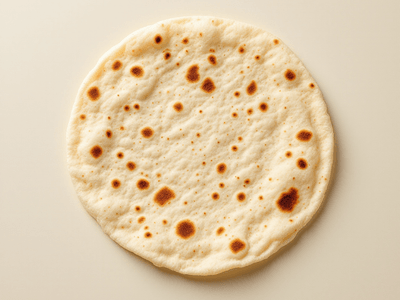
A spongy, tangy Ethiopian sourdough flatbread made from teff — the base for every Ethiopian meal.
How to Make Injera (Traditional & Healthy Version)
Injera is a beloved staple of East African cuisine, especially in Ethiopia and Eritrea, where it forms the foundation of many traditional meals. This spongy, slightly sour flatbread is made from teff flour, a tiny ancient grain indigenous to the region, prized for its earthy flavor and unique texture. Injera is not only a bread but also a utensil, used to scoop up flavorful stews and vegetables, making every meal a communal and interactive experience. Its signature tang and airy bubbles come from a natural fermentation process, which enhances both its taste and digestive benefits. Eating Injera is deeply rooted in the cultural fabric of East Africa, symbolizing hospitality and togetherness. The bread's large, round shape is perfect for sharing, encouraging diners to gather around and enjoy the meal with their hands, as is customary. As more people seek plant-based, gluten-free, and nutrient-rich recipes, Injera stands out as a healthy and authentic choice that brings the spirit of Africa to your table. Whether you’re exploring African vegan recipes or simply looking for a nutritious alternative to conventional bread, Injera is a delicious way to diversify your diet.
Ingredients(for 1 large Injera (about 12-inch diameter) per serving)
- 1 cup Teff flour (main ingredient, gluten-free)
- 1/4 cup Whole wheat flour (optional, for fermentation boost) - optional
- 1 1/4 cups Warm water (for batter)
- 1/2 teaspoon Salt
- 1/4 teaspoon Baking soda (optional, for extra bubbles) - optional
- 1 teaspoon Oil (for greasing pan)
- 1 tablespoon Starter (leftover Injera batter or yeast) (optional, for quicker fermentation) - optional
Instructions
- 1
In a large bowl, combine teff flour (and whole wheat flour if using) with warm water. Mix well until a smooth, pourable batter forms.
5 minutes
Use a whisk to remove all lumps for the best texture.
- 2
Cover the bowl with a cloth and let the batter ferment at room temperature for 24-48 hours. The batter will bubble and develop a slightly sour aroma.
24-48 hours (inactive)
Longer fermentation enhances the flavor and digestibility.
- 3
Once fermented, stir in salt (and baking soda if using) to the batter. Adjust with a little water if too thick; it should be thinner than pancake batter.
2 minutes
Consistency is key—aim for a thin, pourable batter for authentic Injera bubbles.
- 4
Heat a large nonstick skillet or traditional mitad over medium-high heat. Lightly brush with oil.
2 minutes
Ensure the pan is hot so Injera cooks evenly and bubbles form properly.
Why This Dish is Healthy
This Injera recipe is an excellent healthy choice due to its use of whole grain teff, which is low in fat and high in complex carbohydrates for sustained energy. The fermentation process lowers the glycemic index, making it suitable for blood sugar control. As a vegan and plant-based bread, Injera contains no cholesterol and supports heart health. Its high fiber content aids in digestion and helps with weight management, while the minerals and vitamins promote overall wellness.
Injera is made primarily from teff, one of Africa’s most nutrient-dense grains. Teff is a powerhouse of protein, dietary fiber, and essential amino acids, making it excellent for muscle building and digestion. It’s rich in iron, calcium, magnesium, and B vitamins, supporting bone health and energy metabolism. The natural fermentation process increases bioavailability of nutrients and promotes gut health by introducing beneficial probiotics. Teff is also naturally gluten-free, making Injera suitable for gluten-sensitive individuals.
Pro Tips
- 💡Tip 1: For authentic sourness, ferment the batter for at least 48 hours.
- 💡Tip 2: Always use a nonstick pan or a traditional mitad to prevent sticking.
- 💡Tip 3: Let Injera cool on a cloth to maintain its soft texture and prevent sogginess.
Storage & Serving
Store leftover Injera covered with a cloth at room temperature for up to 2 days, or refrigerate in an airtight container for up to 5 days. To reheat, steam gently or warm in a pan.
Best served: Breakfast or Lunch
Nutrition Facts
| Nutrient | Per 100g |
|---|---|
| Energy | 131.0 kcal |
| Protein | 4.1 g |
| Carbohydrates | 27.0 g |
| Total Fat | 0.8 g |
| Fiber | 4.2 g |