Masa (waina)
Snacks • Nigeria
About Masa (Waina)
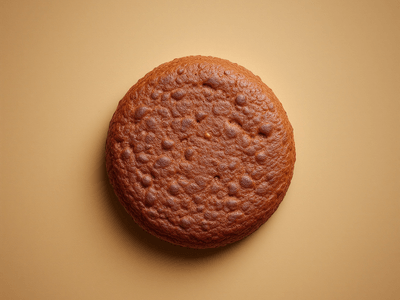
Hausa rice cake with a soft pillowy center — served with honey, stew, or yaji spice mix.
How to Make Masa (Waina) (Traditional & Healthy Version)
Masa, also known as Waina, is a beloved West African snack originating from the Hausa communities in Northern Africa. These fluffy rice cakes are uniquely cooked in special Masa pans, resulting in a delicately crisp exterior and a soft, spongy interior. Masa is enjoyed across many African countries, particularly in Nigeria, where it is served at family gatherings, festive occasions, and as an everyday breakfast or snack. The taste is subtly sweet and slightly tangy due to the fermentation process, making it an irresistible treat for all ages. What sets Masa apart is its versatility and health-conscious ingredients. Traditionally made with fermented rice, Masa can also include millet or maize, allowing for adaptation based on dietary preferences. These rice cakes are typically paired with spicy sauces, honey, or vegetable relishes, making them suitable for both savory and sweet palates. For those seeking a nutritious, vegetarian, and gluten-free snack, Masa is a fantastic choice. This recipe brings you the authentic taste of West Africa, designed for easy preparation in your own kitchen, while maintaining the dish’s wholesome qualities.
Ingredients(for 3-4 small Masa cakes per serving)
- 1 cup White rice (short or medium grain)
- 1/3 cup Cooked rice (for extra softness)
- 1 teaspoon Active dry yeast (to aid fermentation)
- 1 tablespoon Sugar (can reduce for less sweetness)
- 1/2 teaspoon Salt
- 3/4 cup Water (adjust for batter consistency)
- 1 tablespoon Vegetable oil (for greasing Masa pan)
- 1/2 teaspoon Baking powder (optional, for extra fluffiness) - optional
- 1 tablespoon Onion (finely blended (optional, for flavor)) - optional
Instructions
- 1
Soak the raw white rice in water for 6-8 hours or overnight. Drain and rinse thoroughly.
2 minutes
Soaking softens the rice, ensuring a smooth batter.
- 2
Blend soaked rice, cooked rice, and onion (if using) with 3/4 cup water until you have a smooth, thick batter.
5 minutes
A high-powered blender will yield the smoothest batter.
- 3
Transfer batter to a bowl. Add yeast, sugar, salt, and baking powder (if using). Mix well.
2 minutes
Ensure the batter is not too runny—aim for pancake batter consistency.
- 4
Cover and allow the batter to ferment in a warm place for 2-4 hours, or until slightly bubbly and risen.
2-4 hours (inactive)
Fermentation adds the signature tangy flavor and increases digestibility.
Why This Dish is Healthy
By using whole, simple ingredients and a fermentation process, Masa is both nourishing and easy to digest. It provides a balanced source of carbohydrates and plant-based protein, without excess fats or artificial additives. The light oil use and optional sugar reduction make it suitable for calorie-conscious individuals. Masa’s versatility allows for further adaptations to suit low-GI or high-protein diets, making it a smart choice for healthy eating.
Masa (Waina) is naturally gluten-free and vegetarian, making it an excellent choice for those with dietary restrictions. Rice provides complex carbohydrates for sustained energy, while fermentation boosts gut health and nutrient absorption. This snack is low in fat and can be made with minimal oil, reducing overall calorie content. Rich in B vitamins, magnesium, and iron, Masa supports healthy metabolism and muscle function. Adding onions increases antioxidant content, supporting immune health.
Pro Tips
- 💡Tip 1: For best results, use a traditional Masa pan to achieve the authentic round shape and texture.
- 💡Tip 2: Let the batter ferment fully to maximize flavor and nutritional benefits.
- 💡Tip 3: Adjust batter consistency with water for fluffier or denser Masa cakes, according to preference.
Storage & Serving
Store leftover Masa in an airtight container in the refrigerator for up to 2 days. Reheat in a dry pan or microwave before serving. Masa is best enjoyed fresh, but can also be frozen for up to 1 month.
Best served: Breakfast or Lunch
Nutrition Facts
| Nutrient | Per 100g |
|---|---|
| Energy | 195.0 kcal |
| Protein | 3.4 g |
| Carbohydrates | 38.0 g |
| Total Fat | 3.2 g |
| Fiber | 0.8 g |