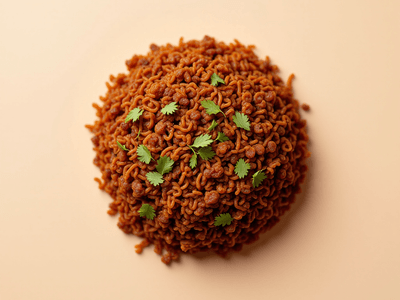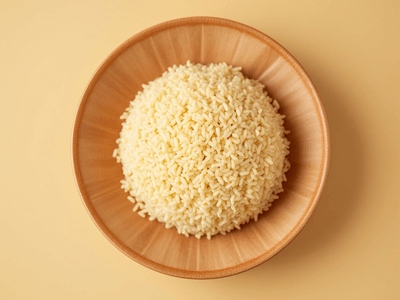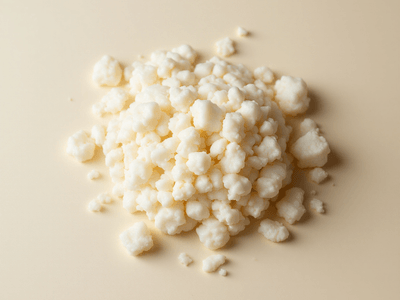
Pounded Yam
West African • Nigeria
About Pounded Yam
Smooth yam swallow pounded until stretchy, served with egusi, okra, or other West African soups.
How to Make Pounded Yam (Traditional & Healthy Version)
Pounded Yam is a beloved staple food across West Africa, especially in countries like Nigeria, Ghana, and Benin. Made from boiled yams that are pounded until smooth and stretchy, this dish is a symbol of celebration, family gatherings, and everyday meals. Its subtle flavor and satisfying texture make it the perfect accompaniment for hearty vegetable and legume-based soups, forming the heart of many communal feasts. The process of making Pounded Yam is deeply rooted in African culinary tradition, often involving family participation and the rhythmic pounding that echoes across rural villages. This dish stands out for its simplicity and the wholesome, earthy taste of fresh yams, which are rich in nutrients and naturally vegan-friendly. Enjoying Pounded Yam is not just about the food—it’s a cultural experience that brings people together, honors heritage, and celebrates the vibrant flavors of West Africa. Because it is gluten-free and plant-based, Pounded Yam is also an excellent choice for health-conscious eaters seeking authentic African recipes.
Ingredients(for 1 cup (about 200g) per serving)
- 500g White yam tubers (also known as 'ji' or 'yam root')
- 4 cups Water (for boiling)
- 1/2 tsp Salt (optional, for taste) - optional
- 1 tsp Palm oil (for flavor and sheen) - optional
- as needed Yam flour (instant) (for easy version (optional)) - optional
- 1/4 cup Chopped spinach (for garnish or added nutrients) - optional
- 1 clove Crushed garlic (optional, for subtle flavor) - optional
- 1 tbsp Fresh parsley (for garnish) - optional
Instructions
- 1
Peel the yam tubers and cut into medium-sized chunks. Rinse thoroughly under running water to remove excess starch.
5 minutes
Use a sharp knife for easier peeling and uniform pieces for even cooking.
- 2
Place yam chunks in a large pot, add enough water to cover, and bring to a boil. Cook until soft and easily pierced with a fork (about 15-20 minutes).
20 minutes
Do not overcook to avoid watery texture.
- 3
Drain the cooked yams and transfer immediately to a large mortar or a sturdy bowl.
2 minutes
Work quickly while yams are hot for best texture.
- 4
Pound the yams using a wooden pestle (or a potato masher if mortar is unavailable) until smooth, stretchy, and free of lumps. Add a sprinkle of water if needed for softness.
8 minutes
Pound in batches for even consistency and fluffiness.
Why This Dish is Healthy
This traditional Pounded Yam recipe is naturally low in fat and calories, while being rich in complex carbs for sustained energy. The minimal use of oil and the absence of animal products make it heart-healthy and weight-loss friendly. By pairing it with nutrient-dense soups or vegetables, you can boost your protein and fiber intake, making it an ideal choice for balanced, plant-based eating.
Pounded Yam is a wholesome dish made from yams, which are a great source of complex carbohydrates, dietary fiber, and essential micronutrients like potassium, vitamin C, and vitamin B6. With only 118 calories per serving, it’s low in fat and contains no cholesterol, making it suitable for vegan and vegetarian diets. The absence of gluten and dairy ensures it’s safe for those with common allergies. When served with leafy greens or legumes, it provides more vitamins and minerals, supporting immune health and digestion.
Pro Tips
- 💡Tip 1: Use freshly harvested yams for the best flavor and texture.
- 💡Tip 2: Pound yams while still hot for a smooth, lump-free consistency.
- 💡Tip 3: Wet your hands when shaping to prevent sticking and achieve a glossy finish.
Storage & Serving
Store leftover pounded yam in an airtight container in the refrigerator for up to 2 days. Reheat by steaming or microwaving with a damp cloth to restore softness.
Best served: Breakfast or Lunch
Nutrition Facts
| Nutrient | Per 100g |
|---|---|
| Energy | 118.0 kcal |
| Protein | 1.5 g |
| Carbohydrates | 27.0 g |
| Total Fat | 0.2 g |
| Fiber | 3.9 g |