Hausa Koko
Drinks • Ghana
About Hausa Koko
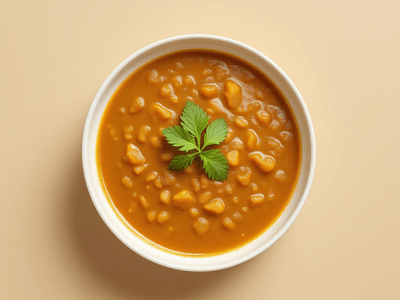
Spiced millet porridge with ginger, cloves, and chili — a favorite Ghanaian street breakfast.
How to Make Hausa Koko (Traditional & Healthy Version)
Hausa Koko is a beloved West African breakfast porridge made from millet flour and a blend of warming spices, cherished for its comforting flavor and nourishing qualities. Originating from the Hausa people, one of the largest ethnic groups in West Africa, this vegan and vegetarian-friendly beverage is a staple in bustling morning markets and family kitchens alike. Its smooth consistency, gentle spice, and subtle sweetness make it both satisfying and easy on the palate. Traditionally served hot, Hausa Koko is often enjoyed with local accompaniments such as koose (bean cakes) or bread, making it a complete meal. This health-conscious adaptation uses minimal sugar and highlights the natural fiber and nutrients of millet, making it suitable for calorie-conscious eaters. Whether you’re exploring African cuisine for the first time or reconnecting with cherished heritage, this Hausa Koko recipe provides a wholesome, authentic experience that’s as nutritious as it is delicious.
Ingredients(for 1 large mug (approx. 300 ml) per serving)
- 1 cup Millet flour (locally called 'acha' or 'gyada')
- 3 cups Water
- 1 teaspoon Ground dried ginger
- 1/2 teaspoon Ground cloves
- 1/2 teaspoon Ground grains of selim (locally known as 'Hwentia' or 'Uda', optional) - optional
- 1/4 teaspoon Ground cinnamon
- 1/4 teaspoon Salt
- 1 tablespoon Date syrup or honey (or any natural sweetener) - optional
- as desired Stevia or low-calorie sweetener (for weight management) - optional
Instructions
- 1
In a large mixing bowl, combine millet flour with 1 cup of water. Whisk vigorously to make a smooth, lump-free paste.
5 minutes
Whisking thoroughly prevents lumps and ensures a silky porridge.
- 2
Add ground ginger, cloves, grains of selim (if using), cinnamon, and salt to the millet mixture. Stir until well combined.
2 minutes
Mix spices evenly for a balanced aroma.
- 3
Bring the remaining 2 cups of water to a boil in a medium saucepan over medium heat.
5 minutes
Boil water separately to avoid millet flour clumping.
- 4
Slowly pour the millet-spice mixture into the boiling water, stirring continuously to prevent lumps.
3 minutes
A wooden spoon works best for stirring thickening porridge.
Why This Dish is Healthy
This Hausa Koko recipe is a healthy choice because it uses whole-grain millet flour, which is high in fiber and naturally low in fat. The use of natural sweeteners or calorie-free alternatives keeps the calorie count in check, making it suitable for weight management and diabetic diets. The inclusion of warming spices not only enhances flavor but also supports digestion and immune health. Suitable for vegan and vegetarian diets, Hausa Koko is a nutrient-rich beverage that fits many healthy eating patterns.
Hausa Koko is naturally gluten-free if pure millet is used, rich in dietary fiber, magnesium, and plant-based protein. Millet provides slow-digesting complex carbohydrates, supporting steady energy release and digestive health. The addition of spices like ginger and cloves offers anti-inflammatory and antioxidant properties. With minimal added sugar, the recipe remains low in calories and fat, making it suitable for balanced diets. The porridge is also a source of B vitamins and essential minerals such as iron and phosphorus, important for energy metabolism and bone health.
Pro Tips
- 💡Tip 1: For extra creaminess, blend the millet flour mixture before cooking.
- 💡Tip 2: Toast millet flour lightly before mixing to deepen the flavor profile.
- 💡Tip 3: Adjust spice quantities to suit your taste and tolerance.
Storage & Serving
Hausa Koko is best enjoyed fresh and hot, but leftovers can be stored in an airtight container in the refrigerator for up to 2 days. Reheat gently on the stove, adding a splash of water to restore its creamy consistency.
Best served: Breakfast or Lunch
Nutrition Facts
| Nutrient | Per 100g |
|---|---|
| Energy | 72.0 kcal |
| Protein | 1.8 g |
| Carbohydrates | 14.0 g |
| Total Fat | 0.9 g |
| Fiber | 0.8 g |