Rghaif
Breads • Morocco
About Rghaif
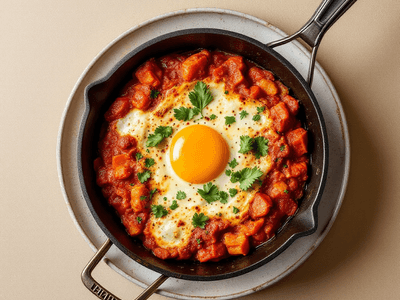
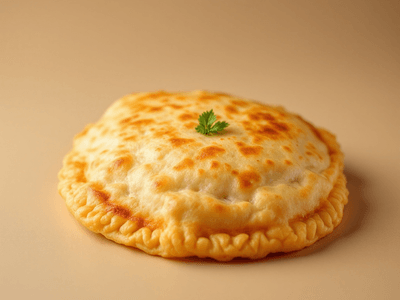
Layered Moroccan flatbread similar to msemen, served with honey, cheese, or eggs for breakfast.
How to Make Rghaif (Traditional & Healthy Version)
Rghaif is a beloved North African flatbread known for its delicate, flaky layers and golden crispness. Traditionally prepared in Moroccan, Algerian, and Tunisian households, Rghaif is often enjoyed with family and friends during breakfast, lunch, or festive gatherings. Its unique preparation method, which involves folding and lightly pan-frying the dough, creates a texture that is both tender and satisfyingly chewy. The bread itself has a subtle flavor, making it a perfect canvas for sweet or savory fillings, or simply served with honey or olive oil. What makes Rghaif stand out in African cuisine is its versatility and cultural importance. Passed down through generations, Rghaif brings people together, symbolizing hospitality and celebration. With simple pantry ingredients, it’s a nourishing bread that fits seamlessly into a modern, health-conscious diet. Its lightness and adaptability make it a great choice for anyone seeking to explore authentic African recipes while maintaining a balanced lifestyle. By following this healthy Rghaif recipe, you can experience the warmth of North African kitchens and savor a dish deeply rooted in tradition. Whether you’re new to African breads or looking to recreate homemade flavors, this recipe ensures a wholesome, satisfying result that highlights the vibrant culinary heritage of North Africa.
Ingredients(for 2 medium flatbreads (approx. 100g each))
- 1 cup Whole wheat flour (or high-fiber flour for health)
- 1/2 cup All-purpose flour (for lightness)
- 3/4 cup Warm water (adjust as needed for dough)
- 2 tablespoons Olive oil (plus extra for shaping)
- 2 tablespoons Fine semolina (for dusting layers)
- 1/2 teaspoon Salt
- 1 teaspoon Honey (optional, for serving) - optional
- 1 teaspoon Butter (optional, for brushing (use vegan alternative if desired)) - optional
Instructions
- 1
In a large mixing bowl, combine whole wheat flour, all-purpose flour, and salt. Gradually add warm water, mixing until a soft, elastic dough forms.
5 minutes
Knead the dough well to ensure elasticity and smoothness.
- 2
Divide the dough into 4 equal balls. Coat each ball lightly with olive oil. Cover and let rest for 10 minutes to relax the gluten.
10 minutes
Resting the dough makes it easier to stretch and fold.
- 3
On a lightly oiled surface, flatten each dough ball into a thin circle using your hands. Brush with a little olive oil and sprinkle with fine semolina.
3 minutes
The thinner you stretch the dough, the flakier your Rghaif will be.
- 4
Fold the edges of the dough into the center to form a square or rectangle. Repeat oiling and sprinkling with semolina as you fold.
2 minutes
Layering semolina and oil between folds creates signature flakiness.
Why This Dish is Healthy
Rghaif is a wholesome choice for those seeking nutrient-rich, plant-based bread options. By replacing refined flours with whole grains and using olive oil instead of saturated fats, this recipe supports heart health and digestion. Its low sugar content and portion control make it suitable for weight management and balanced diets, aligning perfectly with calorie-conscious meal plans.
This healthy Rghaif recipe uses whole wheat flour for added fiber and micronutrients, while olive oil provides heart-healthy fats. The bread is low in sugar and contains a moderate amount of carbohydrates, making it suitable for sustained energy. Whole grains contribute B vitamins and minerals like iron and magnesium, supporting overall wellness. Since it's pan-cooked with minimal oil, it's lighter in calories compared to deep-fried breads.
Pro Tips
- 💡Use a mixture of whole wheat and all-purpose flour for the best balance of health and texture.
- 💡Resting the dough is essential for easy stretching and folding.
- 💡Cook on medium heat to achieve a golden, crispy exterior without burning.
Storage & Serving
Store leftover Rghaif in an airtight container at room temperature for up to 2 days. For longer storage, freeze with parchment between layers. Reheat on a skillet to restore crispness.
Best served: Breakfast or Lunch
Nutrition Facts
| Nutrient | Per 100g |
|---|---|
| Energy | 320.0 kcal |
| Protein | 7.4 g |
| Carbohydrates | 44.0 g |
| Total Fat | 13.0 g |
| Fiber | 1.6 g |