Beyaynetu
East African • Ethiopia
About Beyaynetu
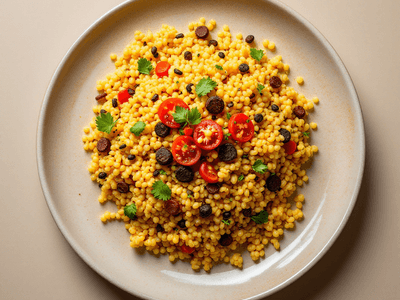
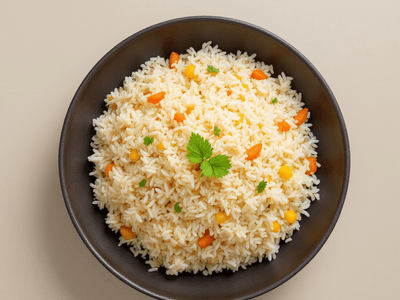
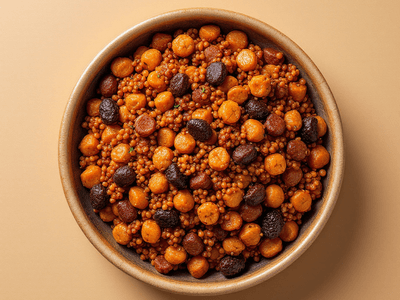
A fasting platter of shiro, misir wat, gomen, atkilt wat, and salads over injera.
How to Make Beyaynetu (Traditional & Healthy Version)
Beyaynetu is a vibrant and wholesome vegan platter, deeply rooted in the rich culinary traditions of East Africa. This dish is a classic Ethiopian and Eritrean meal, often celebrated for its beautiful presentation and variety of flavors. Beyaynetu means 'a bit of everything', and it lives up to its name by showcasing an array of plant-based stews and vegetables, all served atop soft, spongy injera bread. The platter typically features lentil stews, sautéed greens, and colorful vegetables, making it a feast for both the eyes and the palate. Beyaynetu is a staple in many homes and is notably enjoyed during religious fasting periods or festive gatherings. Its composition allows for endless creativity, as families often include their favorite seasonal produce and legumes. The taste of Beyaynetu is a harmonious blend of earthy, spicy, and tangy notes, derived from traditional African spices and the unique flavor of fermented injera. This dish is not only satisfying but also offers a nutritious, plant-based alternative for those seeking a healthy, international recipe. Its appeal lies in its balance of texture, color, and taste, making it a standout choice for anyone looking to experience authentic African cuisine.
Ingredients(for 1 medium injera platter per person)
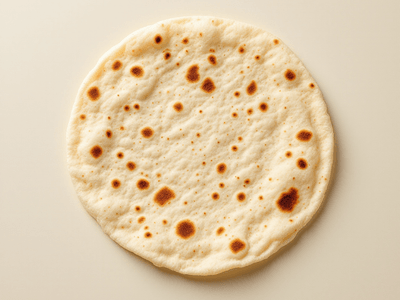
- 2 large pieces Injera (fermented teff flatbread)
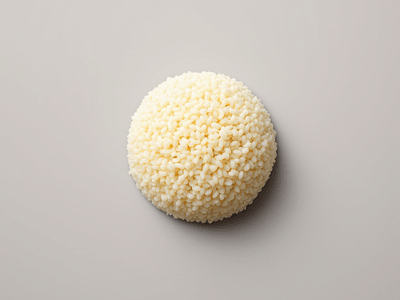
- 1 cup Red lentils (for misir wot (lentil stew))
- 1 medium Onion (finely chopped)
- 3 Garlic cloves (minced)
- 1 cup Carrots (sliced)
- 1 cup Cabbage (chopped)
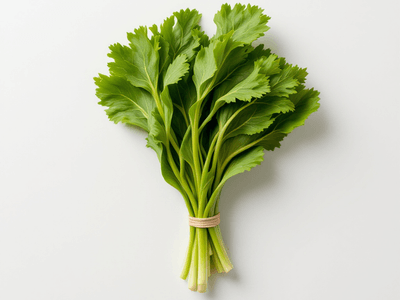
- 1 cup Spinach or collard greens (roughly chopped)
- 1 tablespoon Berbere spice (Ethiopian spice blend)
- 1 teaspoon Turmeric powder
- 2 tablespoons Tomato paste
- to taste Salt
- 2 teaspoons Olive oil
Instructions
- 1
Rinse the red lentils under cold water. In a medium pot, sauté half the onions and half the garlic in 1 teaspoon olive oil until soft. Add berbere spice and tomato paste, stir for 1 minute.
5 minutes
Sautéing the spices enhances their aroma and depth.
- 2
Add the lentils and 2 cups of water to the pot. Simmer uncovered until the lentils are soft and the stew thickens, about 12 minutes. Season with salt.
12 minutes
Stir occasionally to prevent sticking.
- 3
In a separate pan, heat the remaining olive oil. Sauté the rest of the onions and garlic until fragrant. Add carrots and cabbage. Sprinkle turmeric and stir well.
3 minutes
Cut vegetables uniformly for even cooking.
- 4
Add a splash of water, cover, and steam the vegetables until just tender, about 5 minutes. Season to taste.
5 minutes
Do not overcook; vegetables should remain vibrant.
Why This Dish is Healthy
This healthy Beyaynetu recipe is an excellent choice for those seeking balanced nutrition without excess calories. It is free from animal products, cholesterol, and is low in saturated fat, making it suitable for vegan and vegetarian diets. The variety of legumes and vegetables ensures a broad spectrum of nutrients, supporting overall health, energy, and immune function. It is naturally portion-controlled and encourages mindful eating.
Beyaynetu is a nutrient-dense vegan dish loaded with plant-based protein from lentils, complex carbohydrates from injera, and a rainbow of vitamins and minerals from assorted vegetables. It is naturally high in dietary fiber, which supports digestive health, and provides essential micronutrients like iron, folate, vitamin C, and antioxidants. The use of olive oil and minimal added fats keeps the dish heart-healthy, while spices like berbere may offer anti-inflammatory benefits.
Pro Tips
- 💡Tip 1: Ferment injera batter at least 24 hours in advance for authentic flavor.
- 💡Tip 2: Prepare multiple vegetable sides for a more colorful platter.
- 💡Tip 3: Use teff flour for gluten-free injera if desired.
Storage & Serving
Store leftover stews and vegetables in airtight containers in the refrigerator for up to 3 days. Injera is best consumed fresh but can be wrapped and refrigerated for 2 days. Reheat gently before serving.
Best served: Breakfast or Lunch
Nutrition Facts
| Nutrient | Per 100g |
|---|---|
| Energy | 145.0 kcal |
| Protein | 6.5 g |
| Carbohydrates | 22.0 g |
| Total Fat | 4.2 g |
| Fiber | 5.2 g |