Chapati
East African • Kenya
About Chapati (Kenyan)
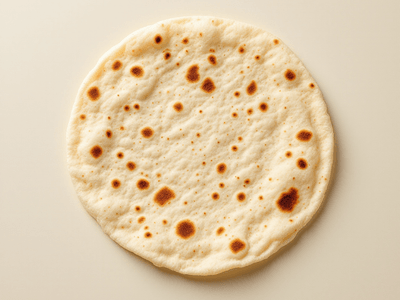
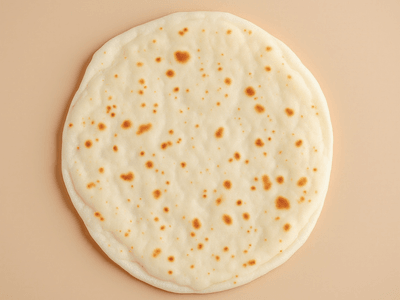
Layered, flaky East African flatbread pan-fried with oil — softer and thicker than Indian chapati.
How to Make Chapati (Kenyan) (Traditional & Healthy Version)
Chapati (Kenyan) is a beloved flatbread originating from East Africa, particularly Kenya, where it holds a special place in everyday meals and festive occasions. Unlike its counterparts elsewhere, Kenyan Chapati is thicker, softer, and often enriched with a touch of oil, resulting in a delightful texture and flavor. It is commonly enjoyed with vegetable stews, beans, or lentils, making it an essential part of the region’s vegetarian cuisine. This traditional recipe reflects the warmth and hospitality of Kenyan households. Chapati is not just food—it's a symbol of sharing, community, and celebration. The process of making Chapati is often a communal activity, bringing families together. Its mild, slightly nutty flavor pairs beautifully with a variety of East African dishes. For those seeking a healthy, plant-based option, Chapati (Kenyan) is ideal, as it uses simple ingredients and can be adapted to suit different dietary needs. Whether for breakfast or lunch, this wholesome bread offers energy and satisfaction, making it a great choice for calorie-conscious eaters.
Ingredients(for 2 medium Chapati per serving)
- 2 cups Whole wheat flour (Known as 'unga wa ngano' locally)
- 3/4 cup Warm water (Adjust as needed)
- 2 tablespoons Vegetable oil (Sunflower or canola preferred)
- 1/2 teaspoon Salt
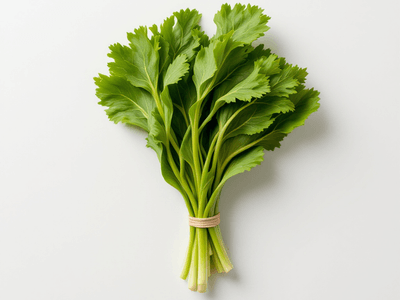
- 2 tablespoons Optional: Chopped coriander leaves (Adds flavor and micronutrients) - optional
- 1 tablespoon Optional: Low-fat yogurt (For softer chapatis) - optional
Instructions
- 1
In a large mixing bowl, combine whole wheat flour and salt. Mix well.
2 minutes
Use sifted flour for a lighter texture.
- 2
Gradually add warm water, stirring continuously until a soft dough forms.
5 minutes
Add water slowly to avoid sticky dough.
- 3
Add vegetable oil and optional yogurt; knead until the dough is smooth and elastic.
5 minutes
Knead for at least 5 minutes for softness.
- 4
Cover the dough with a damp cloth and let it rest for 10 minutes.
10 minutes
Resting helps gluten develop for pliable chapatis.
Why This Dish is Healthy
This Chapati (Kenyan) recipe is a healthy choice because it uses whole wheat flour, reducing refined carbohydrates and increasing fiber content. Minimal oil is used, supporting heart health and calorie control. It’s free of added sugars, preservatives, and excessive fats, making it ideal for weight management and maintaining balanced nutrition. Its versatility allows for easy adaptation to dietary needs, making it suitable for a wide audience.
Kenyan Chapati is rich in complex carbohydrates from whole wheat flour, providing sustained energy and dietary fiber for digestive health. The addition of vegetable oil offers healthy fats, while optional coriander leaves add antioxidants and micronutrients. Whole wheat flour is a source of B-vitamins, iron, and magnesium, supporting overall wellness. If yogurt is included, it supplies calcium and probiotics. This recipe is naturally vegetarian and can be adapted for vegan diets by omitting yogurt.
Pro Tips
- 💡Tip 1: Knead the dough thoroughly for soft and pliable chapatis.
- 💡Tip 2: Let the dough rest before rolling for a smoother texture.
- 💡Tip 3: Use minimal oil to make chapati healthier without compromising taste.
Storage & Serving
Store leftover chapatis in an airtight container at room temperature for up to 24 hours. For longer storage, refrigerate for up to 3 days or freeze for up to 1 month. Reheat on a skillet before serving.
Best served: Breakfast or Lunch
Nutrition Facts
| Nutrient | Per 100g |
|---|---|
| Energy | 297.0 kcal |
| Protein | 7.6 g |
| Carbohydrates | 46.0 g |
| Total Fat | 9.2 g |
| Fiber | 3.4 g |