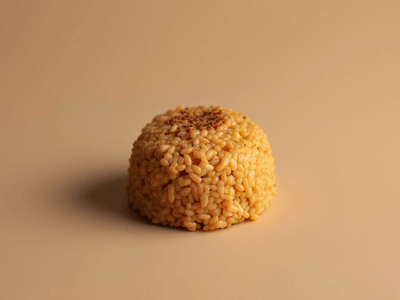
Makande
East African • Tanzania
About Makande
Slow-cooked hominy corn and kidney beans — a rural Tanzanian staple with deep comfort factor.
How to Make Makande (Traditional & Healthy Version)
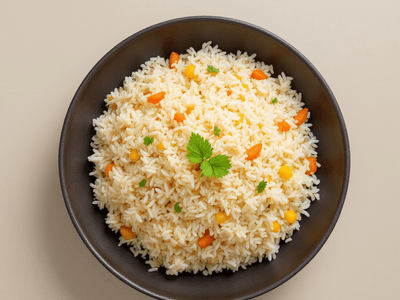
Makande is a hearty, traditional East African dish loved for its satisfying blend of maize and beans. Originating from the Swahili coast and the inland regions of Tanzania and Kenya, Makande embodies the essence of African home-cooked meals—simple, nourishing, and bursting with natural flavors. The dish is celebrated for its use of locally grown ingredients, making it both affordable and accessible for families across the region. Its rustic appeal lies in the soft, chewy texture of cooked maize mingling with creamy beans, sometimes spiced with aromatic onions, garlic, and tomatoes. Makande is ideal for vegan and vegetarian diets, and it is a staple for those seeking a filling, plant-based meal. Makande is more than just food; it’s a symbol of community and shared traditions in African villages. It is often enjoyed during communal gatherings, after a long day in the fields, or as a comforting lunch at home. With its combination of slow-cooked grains and legumes, Makande offers a delicious way to experience the flavors of East Africa while supporting a healthy, balanced diet. Its gentle, earthy taste appeals to all ages, making it a wonderful choice for international food lovers looking to expand their culinary horizons.
Ingredients(for 1 large bowl per person)
- 1 cup Dried maize kernels (also called corn; can substitute cracked maize)
- 1 cup Dried kidney beans (locally called maharage)
- 1 medium Onion (finely chopped)
- 2 medium Tomatoes (chopped)
- 2 Garlic cloves (minced)
- 1 Carrot (diced) - optional
- 1/2 teaspoon Salt
- 1 tablespoon Vegetable oil (sunflower or canola preferred)
- 4 cups Water (for boiling)
- 1/2 Green bell pepper (chopped) - optional
Instructions
- 1
Rinse the dried maize and beans thoroughly. Soak both in water overnight or for at least 8 hours for faster cooking.
8 hours (soaking)
Soaking reduces cooking time and improves digestibility.
- 2
Drain the soaked maize and beans. Place them in a large pot with 4 cups of fresh water. Bring to a boil over medium-high heat.
10 minutes
Skim off any foam that forms for a clearer broth.
- 3
Reduce heat and simmer, covered, for about 40 minutes or until maize and beans are tender.
40 minutes
Check water level occasionally, adding more if needed to prevent sticking.
- 4
In a separate pan, heat vegetable oil. Sauté onions until soft, then add garlic, tomatoes, and optional carrots and bell pepper. Cook until vegetables are fragrant and tomatoes break down.
8 minutes
For extra flavor, let the tomatoes caramelize slightly.
Why This Dish is Healthy
This traditional Makande recipe is a healthy choice because it is entirely plant-based, free from processed ingredients, and naturally low in fat. It supports weight management and gut health due to its high fiber content and provides essential nutrients without excess calories. The inclusion of legumes and whole grains helps maintain stable blood sugar levels, making it suitable for diabetics and those seeking to avoid energy crashes. Its simplicity and reliance on wholesome ingredients make Makande a perfect addition to any health-conscious diet.
Makande is a nutritionally balanced dish, rich in plant-based protein and dietary fiber thanks to the beans and maize. It offers slow-digesting complex carbohydrates, making it an excellent source of sustained energy. The added vegetables contribute a variety of vitamins, minerals, and antioxidants, including Vitamin A from carrots, Vitamin C from tomatoes and peppers, and iron and magnesium from beans. This dish is naturally low in saturated fat and contains no cholesterol, promoting heart health and supporting digestive wellness.
Pro Tips
- 💡Tip 1: Use a pressure cooker to significantly reduce cooking time for beans and maize.
- 💡Tip 2: For extra depth, add a pinch of curry powder or smoked paprika to the sautéed vegetables.
- 💡Tip 3: If you prefer a creamier texture, blend a portion of the cooked Makande and mix back into the pot.
Storage & Serving
Makande can be stored in an airtight container in the refrigerator for up to 3 days. To reheat, add a splash of water and warm gently on the stove or microwave until heated through. It also freezes well for up to one month.
Best served: Breakfast or Lunch
Nutrition Facts
| Nutrient | Per 100g |
|---|---|
| Energy | 125.0 kcal |
| Protein | 6.8 g |
| Carbohydrates | 22.0 g |
| Total Fat | 1.8 g |
| Fiber | 4.2 g |