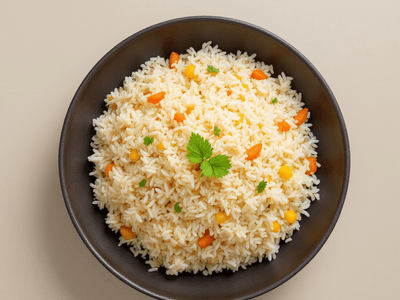
📸 Image coming soon for Wali wa Nazi
Wali wa Nazi
East African • Tanzania
About Wali wa Nazi
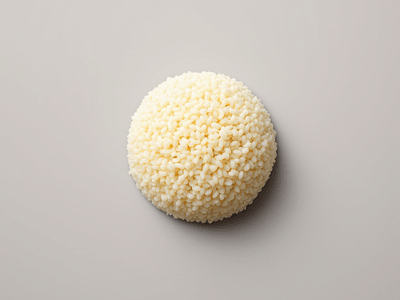
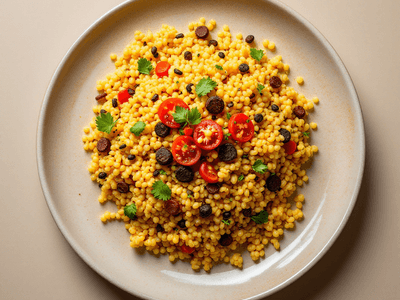
Fragrant rice cooked in coconut milk — a Swahili coastal staple served with fish curry or beans.
How to Make Wali wa Nazi (Traditional & Healthy Version)
Wali wa Nazi is a fragrant, creamy coconut rice dish beloved in the East African coastal regions, especially among Swahili communities. With its roots deeply embedded in Africa’s rich culinary history, this vegetarian recipe showcases the bounty of local ingredients—aromatic rice cooked gently with fresh coconut milk, resulting in a subtly sweet and luscious side dish. The simplicity of Wali wa Nazi allows the natural flavors of coconut to shine, making it a perfect accompaniment to vegetable curries, grilled fish, or enjoyed on its own. This dish is more than just a staple; it represents togetherness and tradition, often served at family gatherings and special occasions. Its smooth and comforting texture appeals to all ages, and the use of coconut milk not only imparts a unique flavor but also adds nutritional value. Wali wa Nazi is an excellent choice for anyone seeking to explore authentic Africa cuisine, combining cultural heritage with wholesome, health-conscious cooking.
Ingredients(for 1 cup cooked coconut rice)
- 1 cup Long-grain rice (pishori or basmati preferred)
- 1 cup Coconut milk (freshly extracted if possible)
- 1 cup Water
- 1/2 teaspoon Salt
- 1 teaspoon Coconut oil
- 2 tablespoons Fresh grated coconut (optional for garnish) - optional
- 1/4 teaspoon Lime zest (for extra aroma) - optional
- 1 tablespoon Coriander leaves (chopped, for garnish) - optional
- a pinch Black pepper (optional) - optional
Instructions
- 1
Rinse the rice thoroughly under cold water until the water runs clear to remove excess starch.
5 minutes
This helps keep the rice fluffy and prevents sticking.
- 2
In a medium saucepan, add the rinsed rice, coconut milk, and water. Stir in the salt and coconut oil.
2 minutes
Mix well to evenly distribute coconut flavor.
- 3
Bring the mixture to a gentle boil over medium heat, then reduce to low, cover, and simmer.
2 minutes
Keep the lid tight to trap steam for even cooking.
- 4
Cook on low heat for 15-18 minutes until all the liquid is absorbed and rice is tender.
18 minutes
Do not uncover or stir frequently; this ensures even cooking.
Why This Dish is Healthy
This coconut rice dish is a healthy choice due to its minimal use of oil, reliance on whole food ingredients, and absence of processed additives. The healthy fats from coconut milk can support satiety and energy, while the use of long-grain rice provides slow-releasing carbohydrates for sustained energy. Its simplicity also makes it easy to digest, making it ideal for both children and adults.
Wali wa Nazi is naturally gluten-free and vegetarian, making it suitable for a range of diets. It provides a moderate calorie count per serving (175 kcal), with a balance of complex carbohydrates and healthy fats from coconut milk and oil. The dish offers small amounts of plant-based protein, minerals such as magnesium and potassium, and beneficial lauric acid from coconut, which may support heart health. Using fresh ingredients ensures maximum vitamin content.
Pro Tips
- 💡Tip 1: Use freshly grated coconut and homemade coconut milk for the most authentic flavor.
- 💡Tip 2: Let the rice rest after cooking to prevent clumping and ensure a light, fluffy texture.
- 💡Tip 3: Pair Wali wa Nazi with a simple vegetable curry or grilled plantains for a complete meal.
Storage & Serving
Store leftover Wali wa Nazi in an airtight container in the refrigerator for up to 2 days. Reheat gently with a splash of water or coconut milk to restore moisture. Avoid freezing, as the texture of the rice may change.
Best served: Breakfast or Lunch
Nutrition Facts
| Nutrient | Per 100g |
|---|---|
| Energy | 175.0 kcal |
| Protein | 3.0 g |
| Carbohydrates | 28.0 g |
| Total Fat | 5.8 g |
| Fiber | 0.9 g |