📸 Image coming soon for Msemen
Msemen
North African • Morocco
About Msemen
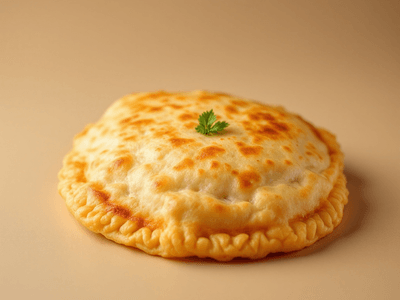
A square, layered Moroccan flatbread pan-fried until flaky — served with honey, jam, or cheese at breakfast.
How to Make Msemen (Traditional & Healthy Version)
Msemen is a beloved traditional flatbread hailing from North Africa, known for its delicate, flaky layers and satisfying, chewy texture. Often enjoyed in Morocco, Algeria, and Tunisia, this flatbread is made by folding and stretching dough to achieve its characteristic lamination. Msemen is typically served warm, either plain or drizzled with honey, and pairs beautifully with mint tea, a staple in North African hospitality. The process of making Msemen is a communal activity, often bringing families together during breakfast or special gatherings. This healthy Msemen recipe offers a lighter, vegetarian-friendly take while preserving its authentic taste and texture. It uses whole wheat flour to add fiber, heart-healthy olive oil, and minimal added sugar, making it suitable for those tracking their calories and seeking wholesome options. The subtle nuttiness of whole grains, combined with the golden, crispy exterior, makes Msemen a delightful addition to any international breakfast or brunch table. Its versatility allows it to be enjoyed with sweet or savory accompaniments, making it a favorite across North Africa and beyond.
Ingredients(for 2 pieces of Msemen (approx. 80g each))
- 1 cup Whole wheat flour (or 'dqiq chaar' if available)
- 1/2 cup All-purpose flour
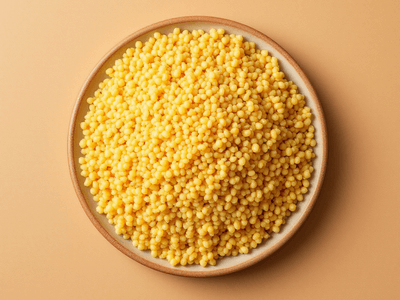
- 2 tbsp Fine semolina ('smida' in Morocco)
- 1/2 tsp Salt
- 2/3 cup Warm water (adjust as needed for dough consistency)
- 2 tbsp Olive oil (for dough and cooking)
- 1 tbsp Honey (for serving (optional)) - optional
- 1 tbsp Softened butter (or plant-based alternative) - optional
- 2 tbsp Extra semolina (for dusting and layering)
Instructions
- 1
In a large bowl, combine whole wheat flour, all-purpose flour, fine semolina, and salt. Gradually add warm water and mix until a soft, elastic dough forms.
5 minutes
Knead the dough well to develop gluten for optimal flakiness.
- 2
Divide dough into 4 equal balls. Coat each ball lightly with olive oil, cover, and let rest for 10 minutes.
10 minutes
Resting the dough makes it easier to stretch and shape.
- 3
On a lightly oiled surface, flatten each dough ball into a thin square or circle using your hands. Sprinkle with semolina and a little softened butter or olive oil.
3 minutes
Gently stretch the dough to avoid tearing; thinner dough yields flakier layers.
- 4
Fold the edges inward to form a square, enclosing the semolina and fat inside. Flatten again gently.
2 minutes
Double folding ensures multiple flaky layers.
Why This Dish is Healthy
Choosing whole wheat flour and olive oil over traditional white flour and butter significantly lowers the glycemic load and increases nutritional value in this Msemen recipe. The use of minimal fat, no deep frying, and an optional natural sweetener like honey makes it ideal for those seeking healthy African breakfast options. With balanced macros and essential micronutrients, this flatbread supports weight management and heart health.
This Msemen recipe uses whole wheat flour, boosting its fiber content for better digestion and sustained energy. Olive oil provides healthy monounsaturated fats, supporting heart health. The semolina adds protein and minerals like magnesium and iron. The dish is low in added sugars and can be tailored to reduce fat or sodium, making it suitable for calorie-conscious individuals. Vitamins from whole grains and the absence of artificial ingredients make this flatbread a nutritious, wholesome choice.
Pro Tips
- 💡Tip 1: Use warm water for a softer, more pliable dough.
- 💡Tip 2: Resting the dough is crucial for easy stretching and better layers.
- 💡Tip 3: Brush the skillet lightly with oil; too much can make Msemen greasy.
Storage & Serving
Store leftover Msemen in an airtight container at room temperature for up to 2 days. For longer storage, freeze between layers of parchment paper for up to 1 month. Reheat on a skillet for best texture.
Best served: Breakfast or Lunch
Nutrition Facts
| Nutrient | Per 100g |
|---|---|
| Energy | 312.0 kcal |
| Protein | 6.1 g |
| Carbohydrates | 42.0 g |
| Total Fat | 13.0 g |
| Fiber | 1.8 g |