Kitumbua
Snacks • Tanzania
About Kitumbua
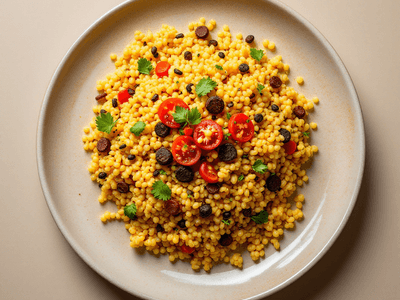
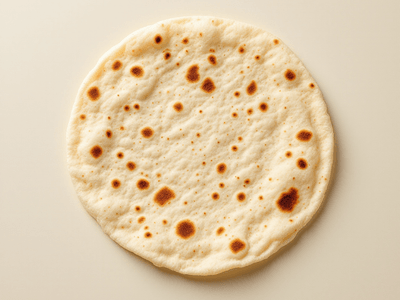
Zanzibari rice and coconut cakes cooked in small cast-iron molds — soft inside, lightly crisp outside.
How to Make Kitumbua (Traditional & Healthy Version)
Kitumbua is a beloved East African snack, commonly enjoyed in Tanzania, Kenya, and coastal regions along the Indian Ocean. This fluffy rice cake is a staple in Swahili cuisine, often served for breakfast or as a midday treat. Kitumbua is traditionally prepared using fermented rice batter, coconut milk, and aromatic spices, creating a unique combination of soft texture and rich flavor. Its golden, slightly crisp exterior and pillowy interior make it irresistible to locals and visitors alike. The origins of kitumbua trace back to centuries-old culinary traditions where rice was a prized staple. The use of coconut milk and cardamom reflects the influence of coastal African cultures, renowned for their vibrant, spice-infused dishes. Kitumbua is not only delicious but also a symbol of hospitality and togetherness, often shared during family gatherings, celebrations, and religious festivals. Its vegetarian nature and simple ingredients make it accessible and enjoyable for all, appealing to health-conscious eaters seeking authentic African flavors. By following this recipe, you can recreate kitumbua at home with a health-conscious twist, maintaining its authentic taste while optimizing nutritional value. Whether you’re exploring African cuisine or seeking a wholesome snack, kitumbua is sure to delight your palate and introduce you to the rich culinary heritage of East Africa.
Ingredients(for 3-4 medium Kitumbua cakes per serving)
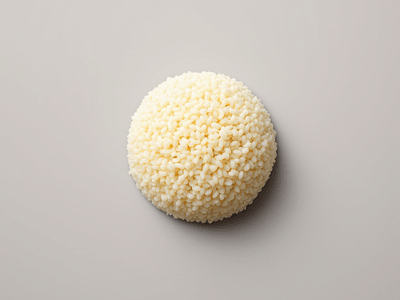
- 1 cup Rice (uncooked) (long-grain or local Tanzanian rice)
- 1/2 cup Coconut milk (fresh or canned)
- 2 tablespoons Sugar (can substitute with coconut sugar)
- 1/2 teaspoon Cardamom powder (known locally as 'hiliki')
- 1 teaspoon Active dry yeast (for fermentation)
- 1/4 teaspoon Salt
- 1/2 cup Warm water (for blending and activating yeast)
- 2 tablespoons Vegetable oil (for greasing the pan; use sunflower or coconut oil)
- 2 tablespoons Grated coconut (optional, for texture) - optional
Instructions
- 1
Wash and soak the rice in warm water for at least 4 hours or overnight for best results.
5 minutes
Longer soaking yields softer kitumbua.
- 2
Drain the rice and blend it with coconut milk, grated coconut (if using), sugar, cardamom, and salt to form a smooth batter.
5 minutes
Use a high-speed blender for a silky texture.
- 3
Dissolve yeast in a little warm water and add to the rice batter. Mix well, cover, and let the batter ferment in a warm place for 1-2 hours until bubbly.
10 minutes
Fermentation enhances flavor and fluffiness.
- 4
Heat a non-stick pan or traditional kitumbua mold (known as 'kitumbua pan') and lightly grease with vegetable oil.
2 minutes
Ensure the pan is hot before pouring batter.
Why This Dish is Healthy
This healthy version of kitumbua uses minimal oil and natural ingredients, making it a great snack for those watching calories or seeking plant-based options. Rice supplies energy, while coconut milk adds essential fatty acids and minerals. The fermentation process boosts gut health and flavor without added calories. By avoiding refined flour and excess sugar, this kitumbua recipe is lighter and more nutritious, aligning with modern health goals.
Kitumbua is made primarily from rice and coconut milk, offering a moderate carbohydrate content for energy. Coconut milk provides beneficial fats, including medium-chain triglycerides (MCTs), which support heart health. The use of cardamom adds antioxidants and aids digestion. Fermentation increases the bioavailability of nutrients, and the dish is naturally gluten-free and vegetarian. When prepared with minimal oil and natural sweeteners, kitumbua can fit well into a balanced diet.
Pro Tips
- 💡Tip 1: Use freshly grated coconut for extra aroma and texture.
- 💡Tip 2: Allow the batter to ferment fully for maximum fluffiness.
- 💡Tip 3: Cook on low heat to avoid burning and ensure even cooking.
Storage & Serving
Store leftover kitumbua in an airtight container at room temperature for up to 1 day, or refrigerate for 2-3 days. Reheat gently in a pan or microwave to restore softness.
Best served: Breakfast or Lunch
Nutrition Facts
| Nutrient | Per 100g |
|---|---|
| Energy | 220.0 kcal |
| Protein | 3.4 g |
| Carbohydrates | 36.0 g |
| Total Fat | 7.4 g |
| Fiber | 0.8 g |