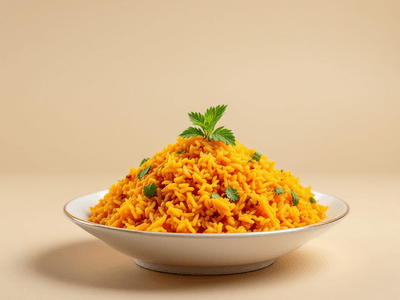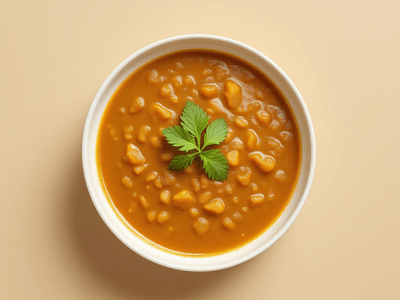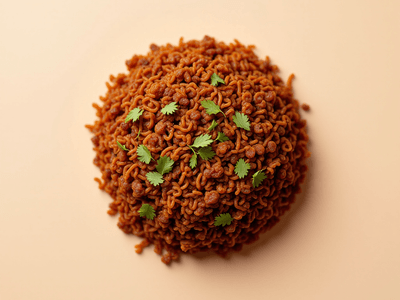
Abacha (african Salad)
West African • Africa
About Abacha (African Salad)
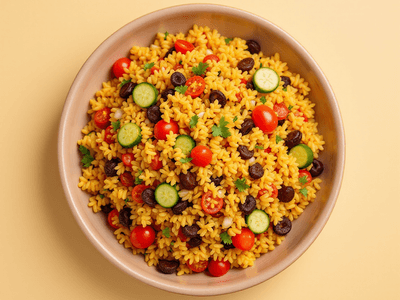
Igbo salad of shredded cassava tossed with palm oil, crayfish, garden egg, and ugba seed.
How to Make Abacha (African Salad) (Traditional & Healthy Version)
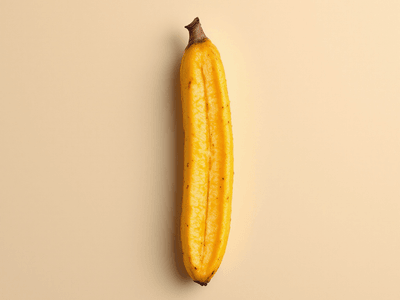
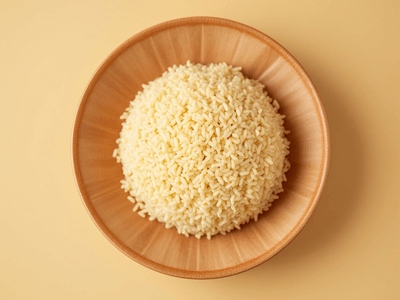
Abacha, also known as African Salad, is a vibrant and flavorful dish originating from West Africa, particularly popular among the Igbo people of Nigeria. This beloved salad is made from dried shredded cassava, which is rehydrated and mixed with a medley of fresh vegetables, proteins, and a distinctively aromatic palm oil dressing. Abacha stands out for its unique texture—a delightful combination of chewy cassava, crunchy vegetables, and savory toppings. Abacha is more than just a meal; it is a celebration of West African culinary heritage. Traditionally enjoyed during festive gatherings, family reunions, and special occasions, Abacha brings people together with its bold flavors and colorful presentation. Its taste is a harmonious balance of earthy, tangy, and mildly spicy notes, making it a favorite for both locals and adventurous food lovers around the world. Today, Abacha is enjoyed not only for its taste but also for its nutrition, adaptability, and quick preparation, earning its place in modern, health-conscious kitchens.
Ingredients(for 1 medium bowl (about 350g per serving))
- 2 cups Dried cassava flakes (Abacha)
- 2 tablespoons Palm oil (unrefined red palm oil)
- 4 small Garden eggs (African eggplant) (sliced) - optional
- 1/2 cup Ugba (fermented African oil bean slices) - optional
- 1/4 cup Stock fish (pre-soaked and shredded) - optional
- 1/4 cup Dry fish (deboned and shredded) - optional
- 2 tablespoons Crayfish (ground)
- 1 small Onion (thinly sliced)
- 2 Fresh pepper (blended or chopped)
- 1/2 teaspoon Potash (food-grade, edible) (optional, for oil emulsification) - optional
- to taste Salt
- 1/4 cup Scent leaves or parsley (chopped) - optional
Instructions
- 1
Soak the dried cassava flakes (Abacha) in lukewarm water for 10 minutes until softened. Drain and set aside.
10 minutes
Do not oversoak to avoid mushy texture.
- 2
In a small bowl, mix palm oil with a pinch of potash (if using) to achieve a bright orange, thick consistency.
2 minutes
Use food-grade potash sparingly; too much can alter taste.
- 3
Add ground crayfish, chopped pepper, and salt to the palm oil mixture. Stir well to combine.
2 minutes
For extra flavor, add a dash of stock powder.
- 4
In a large bowl, combine the softened Abacha, sliced onions, ugba, stock fish, and dry fish.
3 minutes
Toss gently to keep the cassava flakes intact.
Why This Dish is Healthy
This Abacha (African Salad) recipe is a healthy choice because it's plant-forward, high in fiber, and contains minimal processed ingredients. The recipe leverages traditional, nutrient-dense West African foods, combining them in a way that supports heart health and weight management. With lean proteins from fish and minimal added oils, it's ideal for anyone seeking flavorful, wholesome meals without excess calories.
Abacha is rich in dietary fiber from cassava and vegetables, supporting digestive health and satiety. The use of palm oil provides heart-healthy carotenoids and vitamin E, while crayfish and fish offer lean protein and essential omega-3 fatty acids. The inclusion of garden eggs and scent leaves boosts the vitamin and mineral content, supplying antioxidants, vitamin C, and potassium. This salad is low in saturated fats when prepared with moderation, making it a smart, balanced choice for those monitoring their nutrition.
Pro Tips
- 💡Tip 1: Always use food-grade potash in moderation to achieve the classic oil texture.
- 💡Tip 2: For extra crunch, add roasted groundnuts as a topping just before serving.
- 💡Tip 3: Prepare all ingredients ahead for a quick assembly when guests arrive.
Storage & Serving
Abacha is best enjoyed fresh but can be stored in an airtight container in the refrigerator for up to 24 hours. Avoid freezing, as the texture of cassava degrades. If refrigerated, allow it to come to room temperature before serving.
Best served: Lunch
Nutrition Facts
| Nutrient | Per 100g |
|---|---|
| Energy | 175.0 kcal |
| Protein | 5.4 g |
| Carbohydrates | 22.0 g |
| Total Fat | 8.0 g |
| Fiber | 3.2 g |