Omo Tuo
West African • Ghana
About Omo Tuo
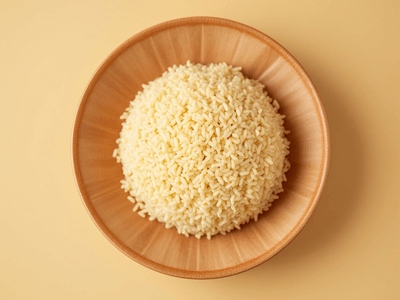
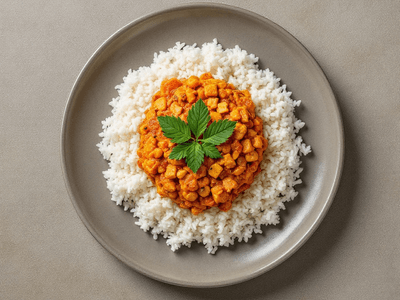
Mashed sticky rice formed into balls — the Ghanaian pairing for groundnut or palm nut soup.
How to Make Omo Tuo (Traditional & Healthy Version)
Omo Tuo, also known as rice balls, is a beloved staple in West African cuisine, particularly in Ghana. This vegan-friendly dish is made by cooking rice until it becomes soft and sticky, then shaping it into smooth, round balls. The gentle, comforting taste and soft texture make Omo Tuo a perfect accompaniment for a variety of rich African soups and stews, such as groundnut soup or light soup. Traditionally enjoyed during family gatherings and festive occasions, Omo Tuo stands out for its simplicity and wholesome ingredients. Omo Tuo is more than just a meal; it’s a celebration of African hospitality and culinary tradition. Its mild flavor allows the vibrant spices and flavors of accompanying dishes to shine through, making it an excellent choice for anyone new to African cuisine. Whether served at a festive table or as part of a simple home-cooked meal, Omo Tuo brings people together, offering both nourishment and a taste of West African heritage. This healthy version is vegan, gluten-free, and easy to digest, making it suitable for a wide range of dietary needs.
Ingredients(for 2 medium rice balls per serving)
- 1 cup Short-grain rice (locally known as 'perfume rice' in some regions)
- 2.5 cups Water
- 1/2 teaspoon Salt
- 1 teaspoon Olive oil (optional, for smoother texture) - optional
- 1 tablespoon Chopped parsley (for garnish) - optional
- a pinch Ground black pepper (for mild seasoning) - optional
- 1 tablespoon Spring onion (finely chopped, optional for garnish) - optional
Instructions
- 1
Rinse the short-grain rice thoroughly under running water to remove excess starch.
2 minutes
Washing rice ensures a smoother texture and prevents clumping.
- 2
Combine the rinsed rice and water in a medium saucepan. Add salt and bring to a boil over high heat.
5 minutes
Stir the rice occasionally to prevent sticking.
- 3
Once boiling, reduce heat to low, cover, and let the rice simmer until very soft and most of the water is absorbed (about 15 minutes).
15 minutes
Check and stir occasionally to avoid burning at the bottom.
- 4
Use a wooden spoon or masher to vigorously stir and mash the cooked rice until it becomes sticky and dough-like.
3 minutes
The smoother the mash, the smoother your Omo Tuo balls will be.
Why This Dish is Healthy
This healthy Omo Tuo recipe uses minimal oil and salt, focusing on whole, plant-based ingredients. Its simplicity means fewer calories and additives, which is ideal for weight management and digestive health. Because it's vegan and gluten-free, Omo Tuo is accessible for those with dietary restrictions, while the high carbohydrate content provides lasting energy—perfect for active lifestyles or post-workout meals.
Omo Tuo is primarily made with rice, which is a good source of carbohydrates for sustained energy. Using short-grain rice provides a sticky texture without added fats or gluten, making it suitable for gluten-free diets. The addition of parsley and spring onion offers vitamins A, C, and K, while olive oil (if used) adds heart-healthy fats. This dish is naturally low in saturated fat and contains no cholesterol, making it a wholesome and easily digestible option.
Pro Tips
- 💡Tip 1: Use short-grain or medium-grain rice for the best sticky texture.
- 💡Tip 2: Mash the rice while it's hot for smoother, more cohesive rice balls.
- 💡Tip 3: Serve warm with a light, flavorful soup for a complete meal.
Storage & Serving
Store leftover Omo Tuo in an airtight container in the refrigerator for up to 2 days. Reheat gently in a microwave or steamer, sprinkling with a little water to restore softness.
Best served: Lunch
Nutrition Facts
| Nutrient | Per 100g |
|---|---|
| Energy | 145.0 kcal |
| Protein | 2.8 g |
| Carbohydrates | 32.0 g |
| Total Fat | 0.6 g |
| Fiber | 0.6 g |