Ayib
East African • Africa
About Ayib
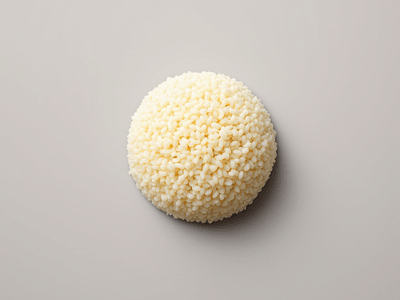
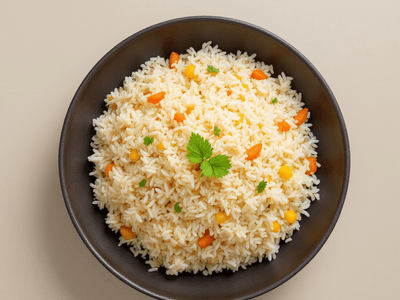
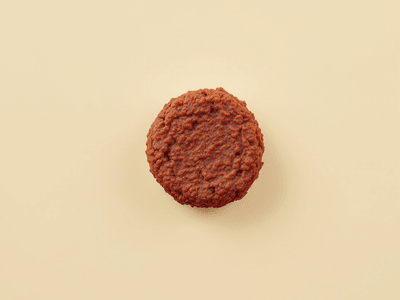
Crumbly fresh Ethiopian cheese served as a cooling counterpoint to spicy wat dishes.
How to Make Ayib (Traditional & Healthy Version)
Ayib is a beloved traditional Ethiopian cheese, central to East African cuisine. Soft, mild, and crumbly, Ayib is often served alongside spicy stews and injera, offering a cooling contrast to the region’s robust flavors. Its origins are deeply woven into Ethiopian culture, where homemade cheeses are a staple at both everyday meals and special occasions. Ayib is made simply by curdling fresh milk with an acid like lemon juice, resulting in a fresh, unaged cheese that is naturally low in sodium and free from additives. For those seeking healthy African food recipes, Ayib is an excellent choice. It’s vegetarian, high in protein, and can be enjoyed by all ages. Its subtle, milky flavor and creamy texture make it a versatile side dish or snack. Whether served with spicy lentil stews or eaten alone, Ayib highlights the wholesome and nourishing aspects of East African cuisine, making it perfect for anyone looking to explore African recipes that are both authentic and nutritious.
Ingredients(for Half cup per serving)
- 1 liter Whole milk (fresh, preferably unhomogenized)
- 3 tablespoons Lemon juice (freshly squeezed)
- 1 tablespoon White vinegar (can substitute with more lemon juice) - optional
- 1/4 teaspoon Salt (optional, for taste) - optional
- 2 tablespoons Plain yogurt (for tanginess, omit for traditional taste) - optional
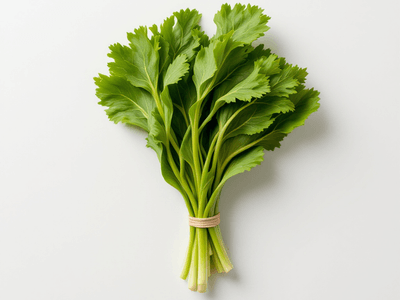
- 1 tablespoon Fresh herbs (such as thyme or parsley, chopped, for garnish) - optional
- as needed Water (for rinsing curds)
- 1 large piece Cheesecloth (or a clean thin cotton cloth)
Instructions
- 1
Pour the whole milk into a heavy-bottomed saucepan and heat over medium heat, stirring occasionally to prevent scorching.
5 minutes
Use fresh, whole milk for the creamiest Ayib.
- 2
When the milk is just about to boil (small bubbles forming), reduce the heat to low.
2 minutes
Do not let the milk boil over, as it may affect the texture of the cheese.
- 3
Slowly add the lemon juice (and vinegar if using) while gently stirring. The milk will begin to curdle, forming soft clumps.
3 minutes
Add acid gradually and stop stirring once curds form.
- 4
Allow the mixture to sit undisturbed for 10 minutes so the curds fully separate from the whey.
10 minutes
Cover the pot to retain heat during curdling.
Why This Dish is Healthy
This Ayib recipe is a healthy choice because it uses simple, natural ingredients with no added preservatives or artificial flavors. It’s naturally gluten-free, vegetarian, and can be made with low-fat milk for fewer calories. Its high protein content keeps you full longer, supporting healthy weight management. Ayib is also easy to digest and provides important nutrients needed for a balanced diet, making it suitable for a variety of healthy eating plans.
Ayib is rich in high-quality protein and calcium, both essential for muscle growth and bone health. It’s low in carbohydrates and, when made with low-fat milk, can be a lower-calorie option for those monitoring their intake. The cheese is also a good source of vitamin B12, riboflavin, and phosphorus. Since it’s unaged, Ayib contains minimal saturated fat compared to harder cheeses, making it a heart-friendly choice. The addition of fresh herbs introduces antioxidants, while the absence of preservatives ensures a wholesome, clean label food.
Pro Tips
- 💡Tip 1: Use the freshest milk available for the best flavor and texture.
- 💡Tip 2: Do not overheat the milk; gentle heating preserves nutrients.
- 💡Tip 3: Repurpose leftover whey in smoothies, soups, or bread for extra nutrition.
Storage & Serving
Store Ayib in an airtight container in the refrigerator for up to 3 days. For best freshness, consume within 48 hours. Avoid freezing as it changes the texture. Always use clean utensils to prevent spoilage.
Best served: Breakfast or Lunch
Nutrition Facts
| Nutrient | Per 100g |
|---|---|
| Energy | 98.0 kcal |
| Protein | 11.0 g |
| Carbohydrates | 3.0 g |
| Total Fat | 4.8 g |
| Fiber | 0.0 g |