Kalo
East African • Uganda
About Kalo
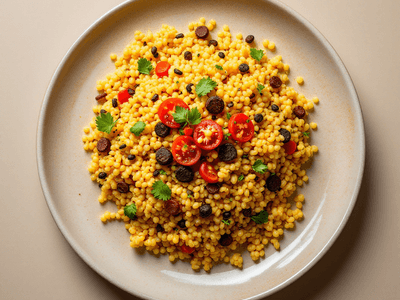
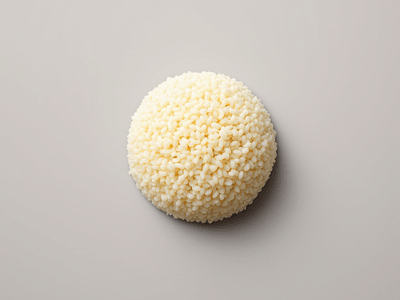
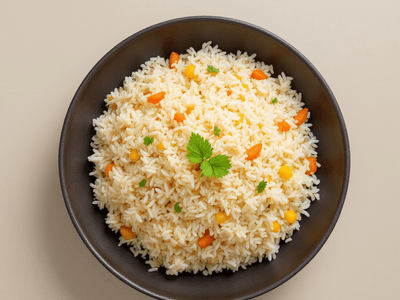
Dark Ugandan millet-and-cassava swallow shaped by hand — typically paired with eshabwe or groundnut sauce.
How to Make Kalo (Traditional & Healthy Version)
Kalo is a cherished East African staple, renowned for its simplicity, hearty texture, and deep-rooted cultural significance. Originating from regions around Uganda and Tanzania, Kalo is a wholesome porridge-like dish made with millet or sorghum flour, water, and a touch of salt. It’s enjoyed by families across East Africa, often as a nourishing accompaniment to vegetable stews or beans. Kalo is traditionally prepared by slowly cooking the flour in boiling water, resulting in a smooth, elastic dough that’s both filling and nutrient-dense. This vegan and vegetarian-friendly dish is celebrated for its earthy flavor and satisfying consistency. Kalo is an excellent choice for those seeking a naturally gluten-free meal, as millet and sorghum are ancient grains packed with essential nutrients. Its mild taste allows for versatility, pairing well with various sides and sauces. Kalo’s role in African cuisine extends beyond sustenance; it embodies community, shared meals, and local agricultural traditions. Whether served for breakfast or lunch, Kalo delivers sustained energy and a taste of East Africa’s vibrant food culture.
Ingredients(for 1 large ball (approx. 250g))
- 1 cup Millet flour (called 'obutunda' in Uganda)
- 1 cup Sorghum flour (called 'mtama' locally)
- 3 cups Water (fresh, filtered)
- 1/2 tsp Salt (sea salt preferred)
- 1 tsp Sunflower oil (optional for smoother texture) - optional
- 1 tsp Lemon juice (optional, brightens flavor) - optional
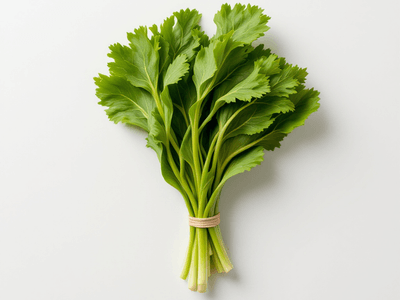
- 1/2 cup Fresh spinach (finely chopped, optional topping) - optional
- 1/4 cup Chopped green onions (optional garnish) - optional
Instructions
- 1
In a medium saucepan, bring 3 cups of water to a gentle boil.
5 minutes
Use filtered water for best flavor.
- 2
Gradually add millet and sorghum flour, stirring continuously to prevent lumps.
5 minutes
Add flour slowly and whisk vigorously.
- 3
Reduce heat to low and add salt. Keep stirring until mixture thickens and pulls away from the sides.
7 minutes
Use a wooden spoon for easier mixing.
- 4
Optionally, add sunflower oil and lemon juice for a silkier texture and subtle zest.
2 minutes
This step is optional for extra flavor.
Why This Dish is Healthy
This traditional East African recipe is a healthy choice due to its whole grain ingredients, which deliver sustained energy and promote digestive health. Kalo is vegan, gluten-free, and made without refined sugars or processed foods. Its high fiber content supports satiety, making it ideal for weight management. The addition of fresh greens provides antioxidants and phytonutrients, further enhancing its health benefits.
Kalo is rich in complex carbohydrates, dietary fiber, and plant-based protein from millet and sorghum. These grains are naturally gluten-free and packed with essential minerals like magnesium, iron, and zinc. Millet and sorghum also supply B vitamins, supporting energy metabolism and overall vitality. The dish is low in fat and free from cholesterol, making it suitable for heart-healthy and vegan diets. Adding spinach and green onions increases vitamin A, C, and folate content for extra nutritional value.
Pro Tips
- 💡Tip 1: Stir continuously while adding flour to avoid lumps.
- 💡Tip 2: Use a wooden spoon for better control and mixing.
- 💡Tip 3: Wet your hands before shaping Kalo to prevent sticking.
Storage & Serving
Store leftover Kalo in an airtight container in the refrigerator for up to 2 days. Reheat gently with a splash of water to restore elasticity. Do not freeze, as texture may change.
Best served: Breakfast or Lunch
Nutrition Facts
| Nutrient | Per 100g |
|---|---|
| Energy | 125.0 kcal |
| Protein | 3.2 g |
| Carbohydrates | 26.0 g |
| Total Fat | 1.2 g |
| Fiber | 2.4 g |