Katogo
East African • Uganda
About Katogo
A Ugandan breakfast stew of matoke (green bananas) cooked with beef, offal, or beans.
How to Make Katogo (Traditional & Healthy Version)
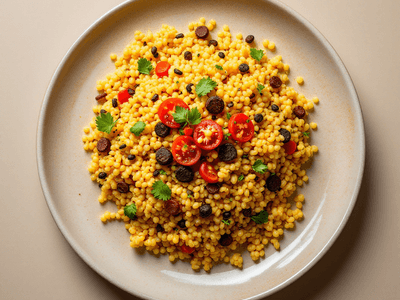
Katogo is a beloved East African dish, particularly popular in Uganda, renowned for its hearty combination of plantains and meat simmered in a flavorful stew. Traditionally served as a breakfast staple, Katogo embodies the essence of Ugandan cuisine—simple, nourishing, and full of rich, comforting flavors. This dish is deeply rooted in the daily life of East African communities, offering a filling meal to fuel busy mornings or sustain hardworking families throughout the day. With its blend of tender green bananas (matoke), nutritious vegetables, and protein-packed meat, Katogo is both satisfying and adaptable, making it a favorite for gatherings and everyday meals alike. The taste of Katogo is a delightful balance of savory and earthy, with the plantains providing a subtle sweetness that complements the robust meat and aromatic spices. Its texture is soft and stew-like, ideal for soaking up the flavors of tomatoes, onions, and garlic. Katogo's popularity extends beyond Uganda, becoming a symbol of East African hospitality and culinary tradition. For health-conscious individuals and international food enthusiasts, Katogo offers a unique opportunity to enjoy authentic African flavors while making mindful, nutritious choices. This recipe ensures that you can savor Katogo in a wholesome, calorie-conscious way, perfect for anyone seeking global cuisine that fits a healthy lifestyle.
Ingredients(for 1 bowl (approx. 350g) per serving)
- 4 medium Green plantains (matoke) (Ugandan matoke preferred)
- 200g Lean beef or goat meat (cubed, skinless)
- 2 medium Tomatoes (chopped)
- 1 medium Onion (finely chopped)
- 2 Garlic cloves (minced)
- 1 Green bell pepper (chopped)
- 1 Carrot (sliced) - optional
- 1 tablespoon Vegetable oil (sunflower or canola)
- 1/2 teaspoon Salt (to taste)
- 1/4 teaspoon Black pepper (freshly ground) - optional
- 1 cup Water or low sodium broth (for simmering)
Instructions
- 1
Peel and slice the green plantains into thick rounds. Rinse and set aside.
5 minutes
Use gloves or oil your hands to avoid plantain sap staining.
- 2
Heat vegetable oil in a large saucepan over medium heat. Add chopped onions and garlic, sauté until fragrant and golden.
3 minutes
Stir continuously to prevent burning and enhance flavor.
- 3
Add the cubed meat to the pan. Brown on all sides for 5 minutes, stirring occasionally.
5 minutes
Trim excess fat before cooking for a leaner stew.
- 4
Mix in chopped tomatoes, bell pepper, and carrots. Cook until vegetables soften and tomatoes break down.
3 minutes
Cover the pan briefly to speed up softening.
Why This Dish is Healthy
This healthy Katogo recipe is rich in fiber, protein, and essential vitamins, making it an excellent choice for balanced nutrition. It uses fresh, whole ingredients and limits added fats, supporting heart health and weight management. The dish is naturally gluten-free and can be adapted for various dietary needs, ensuring that you enjoy flavorful East African cuisine without compromising your health goals.
Katogo is a nutrient-dense dish, combining complex carbohydrates from plantains, lean protein from beef or goat, and a variety of vitamins and minerals from vegetables. Plantains are a great source of dietary fiber, vitamin C, and potassium, while tomatoes and bell peppers add antioxidants and phytonutrients. Using lean meat and minimal oil keeps the fat content in check, making Katogo suitable for those monitoring their macronutrients. The inclusion of carrots and bell peppers boosts vitamin A and C, supporting immune function and eye health.
Pro Tips
- 💡Tip 1: Use fresh matoke (green plantains) for authentic flavor and texture.
- 💡Tip 2: Trim meat well to keep the stew lean and heart-healthy.
- 💡Tip 3: Garnish with fresh coriander or parsley to brighten the dish.
Storage & Serving
Store leftover Katogo in an airtight container in the refrigerator for up to 2 days. Reheat gently on the stovetop, adding a splash of water if needed to restore moisture.
Best served: Breakfast or Lunch
Nutrition Facts
| Nutrient | Per 100g |
|---|---|
| Energy | 150.0 kcal |
| Protein | 6.0 g |
| Carbohydrates | 22.0 g |
| Total Fat | 4.0 g |
| Fiber | 2.5 g |