Mukene
East African • Uganda
About Mukene
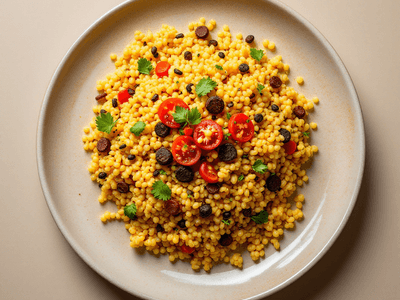
Dried Lake Victoria silver fish simmered with onion, tomato, and groundnut — a protein-rich everyday dish.
How to Make Mukene (Traditional & Healthy Version)
Mukene, also known as silver cyprinid or 'dagaa' in local dialects, is a beloved small fish dish originating from the shores of East Africa’s Lake Victoria. This traditional recipe is a staple in Ugandan and Tanzanian households, celebrated for its incredible nutritional value and deliciously savory taste. Mukene is typically sun-dried, then lightly fried or stewed with fresh vegetables and spices, creating a meal that is both satisfying and deeply rooted in African culinary heritage. Mukene boasts a delicate, umami-rich flavor and a satisfyingly crunchy texture when prepared properly. The dish is enjoyed across various East African communities, often served alongside staple foods like posho (maize porridge) or steamed matoke (green bananas). Its affordability and ease of preparation make it accessible to all, while its high protein content supports the region’s focus on wholesome, nutrient-dense eating. For health-conscious eaters worldwide, Mukene offers an authentic taste of Africa with a nutrient boost that fits perfectly into modern diets.
Ingredients(for 1 cup cooked Mukene with vegetables)
- 1 cup Dried Mukene (silver cyprinid) (washed and drained)
- 1 medium Onion (finely chopped)
- 2 medium Tomato (diced)
- 1 small Green bell pepper (sliced)
- 2 cloves Garlic (minced)
- 1 tablespoon Cooking oil (preferably sunflower or canola)
- 1/2 teaspoon Salt (to taste)
- 1/4 teaspoon Black pepper (freshly ground) - optional
- 1 tablespoon Lemon juice (freshly squeezed) - optional
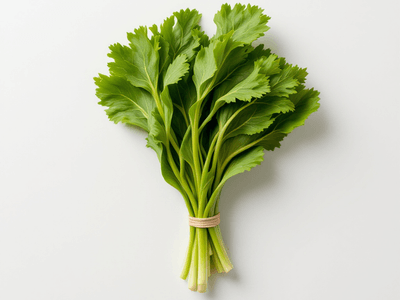
- 2 tablespoons Fresh coriander (chopped, for garnish) - optional
Instructions
- 1
Rinse the dried Mukene thoroughly in cold water to remove any excess salt or sand. Drain well and set aside.
5 minutes
Use a fine-mesh sieve to prevent losing the tiny fish during rinsing.
- 2
Heat the cooking oil in a non-stick pan over medium heat. Add the chopped onions and sauté until soft and translucent.
3 minutes
Stir frequently to prevent the onions from burning for a sweeter flavor.
- 3
Add the minced garlic and sliced green bell pepper. Cook for another 2 minutes until fragrant and slightly softened.
2 minutes
For extra aroma, add the garlic just before the vegetables are fully cooked.
- 4
Stir in the diced tomatoes and cook until they break down into a thick sauce, about 5 minutes.
5 minutes
Cover the pan to help the tomatoes cook faster and retain their moisture.
Why This Dish is Healthy
This Mukene recipe uses minimal oil and fresh, wholesome ingredients, making it lower in saturated fat and calories compared to deep-fried versions. Consuming Mukene is an excellent way to boost protein intake while enjoying the benefits of heart-healthy omega-3s. The addition of vegetables increases fiber, vitamins, and minerals, supporting overall wellness in a calorie-conscious diet.
Mukene is rich in high-quality protein, omega-3 fatty acids, calcium, and essential minerals such as iron and zinc. The tiny fish are consumed whole, offering a natural source of calcium for bone health. This dish also delivers vitamins from fresh vegetables and antioxidants from spices, making it a balanced meal that supports muscle growth, heart health, and immune function.
Pro Tips
- 💡Tip 1: Always rinse dried Mukene thoroughly to remove excess salt and sand.
- 💡Tip 2: Use fresh, ripe tomatoes for a richer sauce and better flavor.
- 💡Tip 3: Add lemon or lime juice to enhance freshness and balance the natural oils.
Storage & Serving
Store cooked Mukene in an airtight container in the refrigerator for up to 2 days. Reheat gently to preserve texture. Dried Mukene can be kept in a cool, dry place for several weeks.
Best served: Breakfast or Lunch
Nutrition Facts
| Nutrient | Per 100g |
|---|---|
| Energy | 165.0 kcal |
| Protein | 22.0 g |
| Carbohydrates | 3.0 g |
| Total Fat | 7.2 g |
| Fiber | 0.4 g |