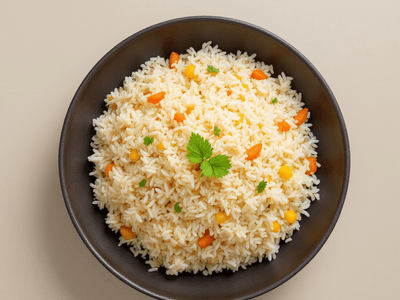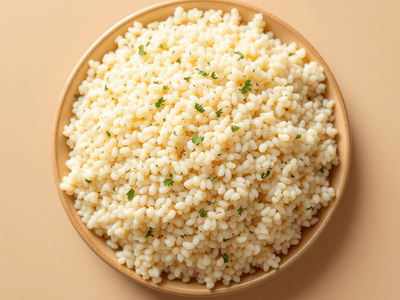
Posho
East African • Uganda
About Posho
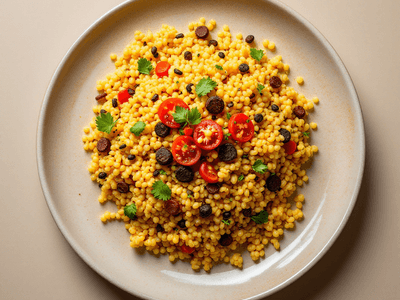
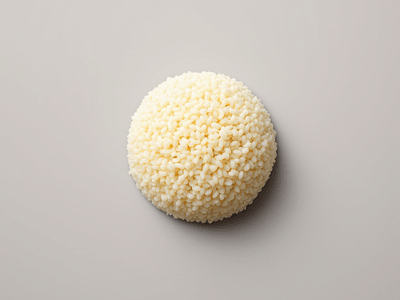
Ugandan maize meal staple, firmer than ugali — served with beans, stew, or greens.
How to Make Posho (Traditional & Healthy Version)
Posho, a staple dish in East Africa, is celebrated for its simplicity, versatility, and nourishing qualities. Made primarily from maize flour (locally called 'maize meal' or 'ugali' in some communities), Posho is a cornerstone of daily meals in Uganda, Kenya, Tanzania, and other East African nations. Its mild flavor and satisfying texture make it an ideal accompaniment to a variety of vegetable stews, beans, and greens, fitting seamlessly into vegan and vegetarian diets. This traditional African dish is cherished for its ability to provide lasting energy and comfort. Posho is often prepared for family gatherings, communal meals, and everyday sustenance, reflecting the communal spirit and agricultural roots of East African cultures. Quick to prepare and requiring minimal ingredients, Posho is a great choice for health-conscious individuals looking to experience authentic African cuisine. Its low fat content and plant-based composition make it perfect for anyone seeking a wholesome, filling, and low-calorie meal.
Ingredients(for 1 medium mound (roughly 200g) per serving)
- 1 cup Maize flour (cornmeal) (known locally as 'posho' or 'unga')
- 2 cups Water (preferably filtered)
- 1/4 teaspoon Salt (optional, for taste) - optional
- 1 teaspoon Sunflower oil (optional, for smoother texture) - optional
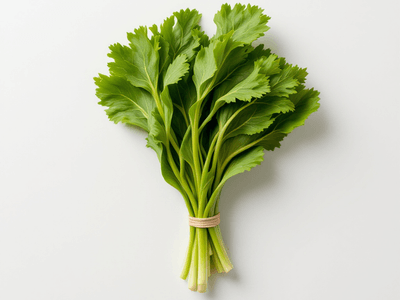
- 1 tablespoon Chopped fresh coriander (optional, for garnish) - optional
- 1/2 cup Chopped spinach or sukuma wiki (optional, for added nutrition) - optional
- 1 teaspoon Lemon juice (optional, for brightness) - optional
Instructions
- 1
Bring 2 cups of water to a boil in a medium saucepan over medium-high heat. Add salt if using.
5 minutes
Use a heavy-bottomed pot to prevent sticking.
- 2
Reduce heat to medium. Gradually sprinkle maize flour into the boiling water while stirring continuously with a wooden spoon or spatula to prevent lumps.
3 minutes
Add the flour slowly for a smooth, lump-free texture.
- 3
Continue stirring vigorously as the mixture thickens. If it becomes too thick, add a splash of hot water to adjust consistency.
4 minutes
Keep stirring to avoid burning at the bottom.
- 4
Cover the pot and let the posho steam on low heat for 5 minutes. This ensures even cooking.
5 minutes
Check occasionally to ensure it doesn’t dry out; add a tablespoon of water if needed.
Why This Dish is Healthy
This dish is a healthy choice because it is plant-based, low in fat, and free from processed additives. The use of whole maize flour contributes to higher fiber content, supporting digestion and satiety. When paired with vegetables, Posho offers a balanced meal with essential micronutrients, making it ideal for vegan, vegetarian, and weight loss diets.
Posho is naturally low in fat and contains approximately 115 calories per serving, making it suitable for calorie-conscious diets. It is rich in complex carbohydrates, providing steady energy release, and offers a modest amount of protein (2.4g per serving). By adding greens like spinach, the dish becomes a good source of dietary fiber, iron, and vitamins A and C. Posho is gluten-free and contains no cholesterol, making it friendly for most dietary needs.
Pro Tips
- 💡Tip 1: Always add maize flour gradually to prevent lumps.
- 💡Tip 2: Stir continuously for a smoother, creamier texture.
- 💡Tip 3: Enhance nutrition by mixing in chopped greens or legumes.
Storage & Serving
Store leftover posho in an airtight container in the refrigerator for up to 2 days. Reheat by steaming or microwaving with a sprinkle of water to restore softness.
Best served: Breakfast or Lunch
Nutrition Facts
| Nutrient | Per 100g |
|---|---|
| Energy | 115.0 kcal |
| Protein | 2.4 g |
| Carbohydrates | 25.0 g |
| Total Fat | 0.4 g |
| Fiber | 1.6 g |