Bunny Chow
Southern African • South Africa
About Bunny Chow
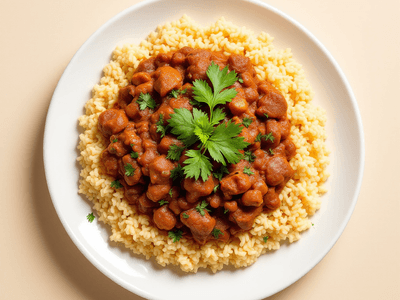
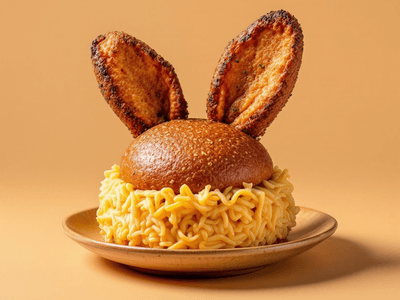
Durban-origin curry served inside a hollowed loaf of bread, with filling choices such as beans, chicken, or mutton.
How to Make Bunny Chow (Traditional & Healthy Version)
Bunny Chow is a beloved street food originating from the vibrant city of Durban in southern Africa. This iconic dish consists of a hollowed-out loaf of bread filled with a flavorful and spicy curry, traditionally made with meat or beans. Bunny Chow was created by Indian communities in Africa during the 1940s, offering a practical and delicious meal for workers on the go. Its hearty nature and bold flavors have made it a staple in African cuisine, celebrated for its inventive use of bread and rich, aromatic curry fillings. The taste of Bunny Chow is a harmonious blend of warming spices, tender protein, and soft bread, making it both comforting and satisfying. Its portability and ease of sharing reflect the communal spirit of African culture. Bunny Chow is often enjoyed as a quick lunch or as street fare, symbolizing the fusion of African and Indian culinary traditions. Choosing a healthy version allows you to savor its authentic taste while keeping an eye on your nutrition, making it an excellent choice for calorie-conscious eaters worldwide.
Ingredients(for Half a quarter loaf of bread filled with curry)
- 1 small loaf Whole wheat bread loaf (quarter loaf, unsliced)
- 200g Skinless chicken breast (cubed)
- 1 medium Onion (finely chopped)
- 1 large Tomato (diced)
- 1 small Carrot (grated)
- 2 cloves Garlic (minced)
- 1 tablespoon Curry powder (Durban-style)
- 1 teaspoon Ground cumin
- 1/2 teaspoon Chili powder (adjust to taste) - optional
- 1/2 cup Low-sodium vegetable broth
- 2 tablespoons Fresh cilantro (chopped, for garnish) - optional
- 1 tablespoon Olive oil
- 1/2 teaspoon Salt (or to taste)
Instructions
- 1
Prepare the bread loaf by cutting it into quarters. Hollow out the center of each quarter, leaving enough bread on the sides to hold the curry.
5 minutes
Save the hollowed bread pieces for dipping or thickening the curry.
- 2
Heat olive oil in a large pan over medium heat. Add chopped onions and sauté until translucent.
3 minutes
Stir frequently to avoid burning the onions.
- 3
Add garlic, grated carrot, and diced tomato. Cook until the tomato softens and forms a thick sauce.
4 minutes
Ensure carrots are finely grated for a smoother curry texture.
- 4
Stir in curry powder, cumin, chili powder, and salt. Mix well and let the spices bloom for 1 minute.
1 minute
Blooming spices enhances flavor and aroma.
Why This Dish is Healthy
By using whole wheat bread and lean protein, this Bunny Chow is a nutritious twist on a traditional African classic. The low-fat, high-protein content supports muscle health, while the vegetables provide vitamins and minerals vital for immunity and metabolism. Limiting sodium and using healthy oils enhance overall wellbeing, making this recipe ideal for calorie-conscious eaters and those seeking balanced nutrition.
This Bunny Chow recipe is packed with lean protein from chicken breast, providing essential amino acids for muscle maintenance. The use of whole wheat bread increases dietary fiber, supporting digestive health and sustained energy. Carrots and tomatoes add a boost of vitamin A, C, and antioxidants, while olive oil contributes heart-healthy monounsaturated fats. The spices offer anti-inflammatory benefits, and the modest calorie count makes this dish suitable for weight management.
Pro Tips
- 💡Tip 1: Use day-old bread for a sturdier Bunny Chow that holds curry well.
- 💡Tip 2: Adjust spice levels to suit your taste or dietary needs.
- 💡Tip 3: Sprinkle fresh cilantro for added flavor and visual appeal.
Storage & Serving
Store the curry separately from the bread in airtight containers. Refrigerate for up to 3 days. Reheat curry before serving and assemble Bunny Chow fresh for best texture.
Best served: Breakfast or Lunch
Nutrition Facts
| Nutrient | Per 100g |
|---|---|
| Energy | 238.0 kcal |
| Protein | 8.5 g |
| Carbohydrates | 28.0 g |
| Total Fat | 9.6 g |
| Fiber | 2.3 g |