Morogo
Southern African • South Africa
About Morogo
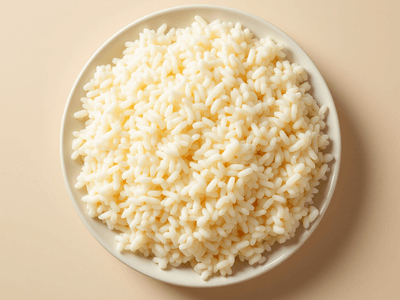
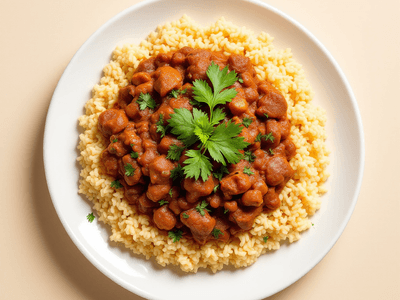
Traditional wild greens sautéed with onion and tomato — served with pap as a staple accompaniment.
How to Make Morogo (Traditional & Healthy Version)
Morogo, also known as African wild spinach, is a beloved leafy green dish originating from southern Africa. This vegan and vegetarian-friendly recipe is deeply rooted in rural African communities, where it is often harvested fresh from the wild or grown in home gardens. Morogo is prized not only for its earthy flavor and satisfying texture but also for its cultural significance as a staple food, especially during the summer months when wild greens are abundant. The taste of Morogo is reminiscent of spinach, but with a slightly nutty and robust undertone. It is traditionally cooked with simple seasonings to highlight the natural flavors of the leaves. Morogo is often served as a side dish or as a main meal with pap (maize porridge), making it a nutritious and filling addition to any diet. Its versatility and nutrient-rich profile have made it a favorite among health-conscious eaters and those seeking authentic African cuisine. This recipe for Morogo is tailored for international audiences, ensuring easy access to ingredients while preserving the traditional preparation methods. It’s a wonderful choice for anyone looking to enjoy a taste of Africa while maintaining a balanced, wholesome diet.
Ingredients(for 1 cup cooked Morogo per person)
- 4 cups Morogo (wild spinach or amaranth leaves) (Known locally as morogo, imifino, or thepe)
- 1 small Onion (Finely chopped)
- 1 medium Tomato (Diced)
- 2 cloves Garlic (Minced)
- 1 tablespoon Vegetable oil (Sunflower or canola preferred)
- 1/2 teaspoon Salt (To taste)
- 1/4 teaspoon Black pepper (Freshly ground)
- 1 small Chili (optional) (Finely chopped, for extra heat) - optional
- 1/2 cup Water (For steaming)
- 1 tablespoon Lemon juice (For freshness) - optional
Instructions
- 1
Wash the Morogo leaves thoroughly under running water to remove dirt and grit. Trim any tough stems and chop the leaves into bite-sized pieces.
5 minutes
Soak leaves for a few minutes if they are very sandy.
- 2
Heat the vegetable oil in a large pan over medium heat. Add chopped onion and sauté until translucent.
5 minutes
Avoid high heat to prevent burning the onions.
- 3
Stir in the garlic and cook for one minute until fragrant. If using chili, add it now.
1 minute
Fresh garlic enhances flavor and nutrition.
- 4
Add the diced tomato and cook for 3-4 minutes, stirring occasionally, until softened and juicy.
4 minutes
Tomato adds natural sweetness and moisture.
Why This Dish is Healthy
Morogo is a healthy choice because it is naturally low in fat and calories, yet rich in vitamins, minerals, and fiber. The absence of animal products makes it cholesterol-free, supporting cardiovascular health. The high fiber content aids digestion, while the abundance of plant nutrients helps protect against chronic diseases. By using minimal oil and fresh ingredients, this recipe preserves the integrity of traditional southern African cuisine while catering to modern health-conscious lifestyles.
Morogo is a powerhouse of nutrition, offering high levels of plant-based protein, dietary fiber, and essential micronutrients such as iron, calcium, magnesium, vitamin A, vitamin C, and folate. The leafy greens are low in calories, making them ideal for weight management and heart health. The inclusion of tomatoes and onions adds antioxidants and phytonutrients, enhancing the dish’s immune-boosting properties. This recipe is vegan, gluten-free, and free from common allergens, making it suitable for a wide range of dietary needs.
Pro Tips
- 💡Tip 1: Use freshly picked Morogo or spinach for optimal flavor and nutrition.
- 💡Tip 2: Add lemon juice at the end to preserve vitamins and brighten the taste.
- 💡Tip 3: Pair Morogo with whole grains for a complete, balanced meal.
Storage & Serving
Store cooked Morogo in an airtight container in the refrigerator for up to 3 days. Reheat gently on the stove or in a microwave before serving. Avoid freezing as leafy greens may lose their texture.
Best served: Breakfast or Lunch
Nutrition Facts
| Nutrient | Per 100g |
|---|---|
| Energy | 60.0 kcal |
| Protein | 3.8 g |
| Carbohydrates | 6.0 g |
| Total Fat | 2.6 g |
| Fiber | 3.2 g |