Binyebwa
Soups & Stews • Uganda
About Binyebwa
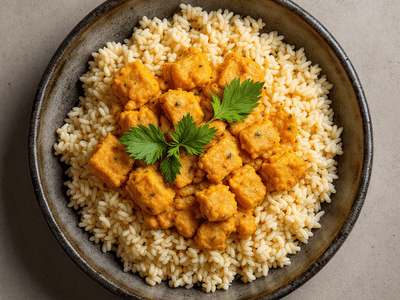
Thick Ugandan groundnut sauce — spooned over matoke, posho, or greens as a staple accompaniment.
How to Make Binyebwa (Traditional & Healthy Version)
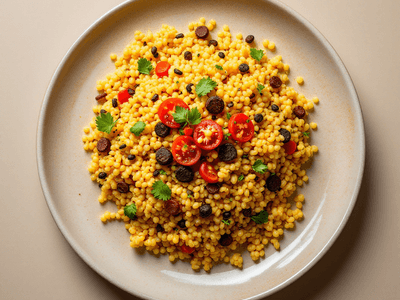
Binyebwa is a rich and flavorful peanut stew celebrated across East Africa, especially in Uganda. This vegan and vegetarian-friendly dish is a staple in many households, prized for its creamy consistency and harmonious blend of locally sourced ingredients. The stew is made from ground roasted peanuts (binyebwa in Luganda), simmered with tomatoes, onions, and a vibrant mix of spices that offer both depth and comfort in every spoonful. Binyebwa is loved for its simplicity, nourishing qualities, and adaptability, fitting seamlessly into both festive gatherings and everyday meals. Its origins date back to the heartlands of East Africa, where peanuts are a vital crop and a source of essential nutrients. The taste is both earthy and subtly sweet, with a hint of spice, making it satisfying and memorable for all palates. For those seeking authentic African cuisine that’s also health-conscious, Binyebwa is an ideal choice. It pairs beautifully with staple sides like steamed greens, millet bread, or boiled plantains, bringing a taste of Africa’s culinary heritage to your table.
Ingredients(for 1 medium bowl (about 300g))
- 1 cup Raw peanuts (shelled and unsalted)
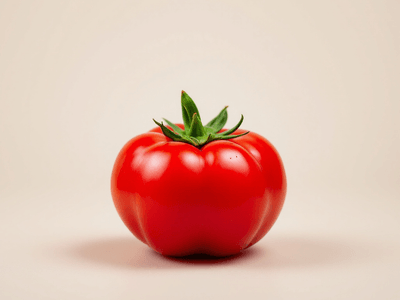
- 2 medium Tomatoes (chopped)
- 1 small Onion (finely chopped)
- 2 Garlic cloves (minced)
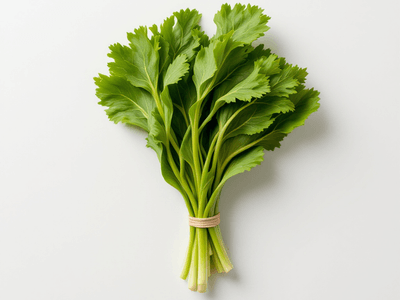
- 1 cup Fresh spinach (chopped (or amaranth leaves))
- 1 tablespoon Vegetable oil (sunflower or canola)
- 2 cups Water (or low-sodium vegetable broth)
- 1/2 teaspoon Salt
- 1/2 teaspoon Smoked paprika - optional
- 1/4 teaspoon Chili flakes (optional for heat) - optional
- 2 tablespoons Coriander leaves (chopped, for garnish) - optional
Instructions
- 1
Roast the raw peanuts in a dry skillet over medium heat until golden and fragrant, about 5 minutes. Let cool, then grind into a smooth paste using a food processor.
7 minutes
For extra flavor, use freshly roasted peanuts.
- 2
Heat vegetable oil in a saucepan. Add onions and sauté until soft and translucent, about 3 minutes.
3 minutes
Avoid browning the onions to keep the stew sweet.
- 3
Stir in the garlic and tomatoes. Cook until tomatoes break down and oil begins to separate, about 5 minutes.
5 minutes
Cover to soften tomatoes faster.
- 4
Add the ground peanut paste, mix well, and pour in water or vegetable broth. Stir continuously to avoid lumps.
2 minutes
Add water gradually for a smooth consistency.
Why This Dish is Healthy
This traditional African stew is a healthy choice due to its reliance on natural, minimally processed ingredients. Peanuts supply protein and good fats, supporting muscle repair and heart health. The use of fresh vegetables enhances fiber and micronutrient intake, promoting digestive health and immune function. With no animal products and low added fats, Binyebwa fits well into vegan, weight management, and heart-healthy eating plans.
Binyebwa is nutrient-dense, offering a rich source of plant-based protein from peanuts, which are also high in heart-healthy monounsaturated fats. The addition of spinach boosts the vitamin A, vitamin C, and iron content, while tomatoes provide antioxidants like lycopene. This stew contains complex carbohydrates, dietary fiber, and essential minerals such as magnesium and potassium, making it a wholesome meal for balanced nutrition.
Pro Tips
- 💡Tip 1: For maximum flavor, use freshly roasted peanuts.
- 💡Tip 2: Stir constantly after adding peanut paste to prevent sticking.
- 💡Tip 3: Add greens just before serving to preserve color and nutrients.
Storage & Serving
Store leftovers in an airtight container in the refrigerator for up to 3 days. Reheat gently over low heat, adding a splash of water if needed to restore creaminess.
Best served: Breakfast or Lunch
Nutrition Facts
| Nutrient | Per 100g |
|---|---|
| Energy | 160.0 kcal |
| Protein | 7.8 g |
| Carbohydrates | 11.0 g |
| Total Fat | 10.0 g |
| Fiber | 3.0 g |