Eshabwe
Soups & Stews • Uganda
About Eshabwe
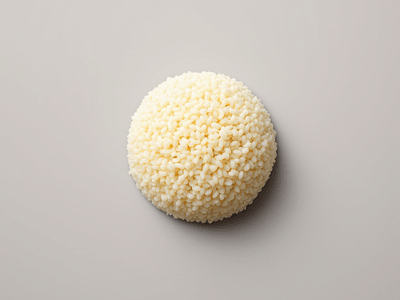
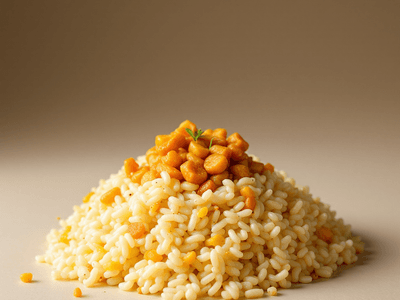
Creamy Ankole ghee sauce lightly salted — served ceremoniously over millet bread or matoke.
How to Make Eshabwe (Traditional & Healthy Version)
Eshabwe is a cherished East African vegetarian stew, renowned in Uganda’s cultural heartlands and appreciated across Africa for its unique preparation and rich, creamy taste. Traditionally made using ghee (clarified butter) and salt, Eshabwe is a staple in many ceremonies and festive gatherings, symbolizing hospitality and togetherness. Its silky texture and delicate flavor make it a favorite accompaniment to staples like matoke (plantains), millet bread, or roasted root vegetables. Unlike many stews, Eshabwe is not cooked over heat but is instead prepared by skillfully blending ingredients to create a smooth, luscious sauce. The dish reflects East Africa’s resourceful culinary traditions, where locally sourced dairy is transformed into a nourishing, protein-rich delicacy. Eshabwe’s mild, buttery taste appeals to a wide range of palates and offers a comforting bite, making it an excellent choice for vegetarians seeking authentic African flavors. Its minimal ingredients and simple process also ensure it’s suitable for health-conscious eaters worldwide who value wholesome, unprocessed foods.
Ingredients(for 1 small bowl per person, typically served with matoke or millet bread)
- 1 cup Ghee (clarified butter) (locally called 'enshabwe' in Uganda)
- 1/2 teaspoon Rock salt (or fine sea salt)
- 1/2 cup Warm water (for blending)
- 2 tablespoons Milk powder (optional for extra creaminess) - optional
- 1/2 teaspoon Lemon juice (for fresh taste) - optional
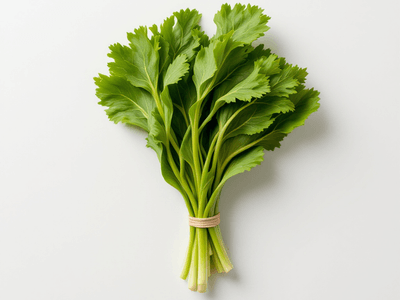
- 1 tablespoon Chopped fresh herbs (e.g., parsley or coriander) - optional
- 1/4 teaspoon Black pepper (for mild heat) - optional
- 1 tablespoon Roasted sesame seeds (optional garnish) - optional
Instructions
- 1
Place the ghee in a large mixing bowl. Ensure it is soft and at room temperature for easy blending.
5 minutes
Let ghee sit out for 10 minutes to soften if refrigerated.
- 2
Add rock salt to the ghee and begin whisking vigorously with a wooden spoon or whisk until the mixture thickens and turns pale.
5 minutes
Use circular motions for smoother texture.
- 3
Gradually add warm water, whisking continuously to emulsify the ghee and create a creamy, sauce-like consistency.
4 minutes
Add water slowly to prevent splitting.
- 4
If using, sprinkle in milk powder and whisk until completely dissolved for extra richness.
2 minutes
Sift milk powder before adding to avoid lumps.
Why This Dish is Healthy
This traditional African dish is a healthy choice because it uses unprocessed dairy and natural seasonings, avoiding artificial additives. Ghee is known for its high content of healthy fats and fat-soluble vitamins, supporting heart and brain health. When paired with vegetables or millet bread, Eshabwe becomes a balanced meal. Its vegetarian profile makes it suitable for plant-based diets, and the minimal oil and salt help maintain calorie control.
Eshabwe is rich in healthy fats from ghee, providing sustained energy and supporting cellular health. It contains moderate protein, especially if milk powder is used, and is low in carbohydrates, making it suitable for low-carb diets. The addition of herbs and lemon juice boosts vitamin C and antioxidants, while sesame seeds add minerals like calcium and magnesium. Eshabwe is naturally gluten-free, and its simple ingredients make it easy to digest.
Pro Tips
- 💡Tip 1: Use high-quality, pure ghee for the best flavor and health benefits.
- 💡Tip 2: Whisk continuously to ensure a smooth, creamy sauce without separation.
- 💡Tip 3: Add herbs and lemon juice just before serving to preserve freshness and aroma.
Storage & Serving
Store leftover Eshabwe in an airtight container in the refrigerator for up to 2 days. Stir well before serving, and allow to come to room temperature for best texture. Avoid freezing, as it may alter the creamy consistency.
Best served: Breakfast or Lunch
Nutrition Facts
| Nutrient | Per 100g |
|---|---|
| Energy | 310.0 kcal |
| Protein | 2.2 g |
| Carbohydrates | 4.0 g |
| Total Fat | 32.0 g |
| Fiber | 0.2 g |